
You’ve probably come across scenes in
Korean dramas where characters happily eat tteokbokki, their faces happy as they savor the spicy, sweet rice cake dish. It’s a dish that seems to be
present at nearly every street corner in South Korea, evoking a sense of
comfort and nostalgia. Watching these characters enjoy their tteokbokki so much
might make you want to try it for yourself. But what exactly is tteokbokki?
This beloved Korean snack is more than just a dish; it's a flavorful experience
that blends chewy rice cakes with a rich sauce. Let’s dive into what makes
tteokbokki a staple in Korean cuisine and why it’s so irresistible.
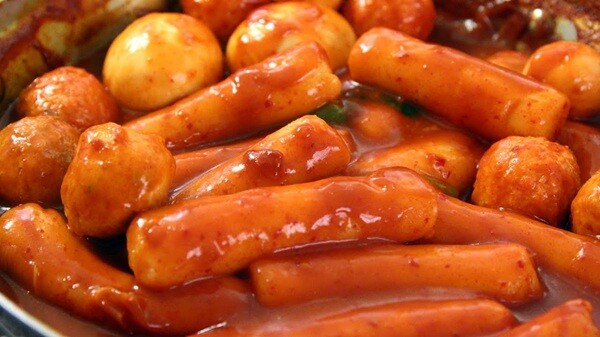
© Allkpop
Tteokbokki is a Korean dish, for which rice
cakes along with some other ingredients are stir-fried or boiled in a spicy-sweet
sauce. While the name tteokbokki means stir-fried rice cakes, it is generally
cooked by boiling or reducing the sauce after cooking, making it more similar
to a stew or braised dish. So, when it is stir-fried without broth, it is
sometimes referred to as oil tteokbokki. The most common form is the red
tteokbokki, which uses gochujang (Korean chili paste), but other varieties
include tteokbokki made with soy sauce, ketchup, curry, black bean paste, or
cream sauce. Tteokbokki, along with sundae (Korean blood sausage), fried foods,
ramen, and kimbap, is one of Korea's most popular street foods and comfort
foods. While Koreans often eat it as a snack or quick meal, it is more widely
recognized as a staple Korean dish in international contexts.
History of Tteokbokki in Korea
Not everyone knows this, but long time ago
tteokbokki was actually not a street food, but a royal dish. In pre-modern
times, a dish called obyeong (오병) was mentioned in the
Royal Records, where it was recorded that King Yeongjo's mother, Queen Sukbin
Choi, liked obyeong, which is made by stir-frying rice cakes in oil, matching
the definition of tteokbokki. Tteokbokki also appears in cookbooks from the
late Joseon Dynasty, where it is referred to as a high-class royal dish made
with soy sauce and mixed with meat and vegetables. Modern variations of this
royal tteokbokki are rarely found in street food shops, but can be seen in
high-end restaurants or reinterpretations in fine dining. During the Japanese
occupation, tteokbokki also was present. Tteokbokki at that time included soy
sauce and meat, making it a relatively upscale dish, comparable to bulgogi.
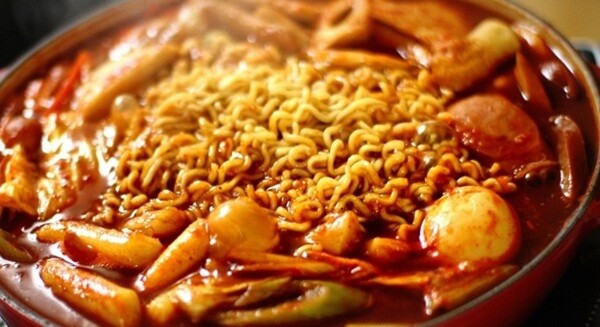
© 10000recipe
The modern popular version of spicy
tteokbokki using gochujang emerged after the Korean War. In 1953, an
influential figure in the tteokbokki industry, Grandma Ma Bok-rim from
Sindang-dong, created a gochujang-based tteokbokki, which became a signature dish
of the area and spread nationwide. This style of tteokbokki is more common in
South Korea and rare in North Korea.
Tteokbokki Varieties
Tteokbokki comes in various forms with
different seasonings, ingredients, and preparation methods.
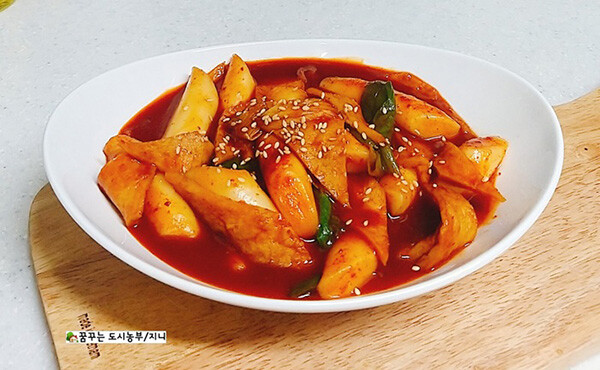
1. Gochujang Tteokbokki: This type of
tteokbokki is made with a spicy red sauce called gochujang, a traditional
Korean red chili paste. It adds a sweet, savory, and spicy taste to tteokbokki.
This is the most popular and widespread type in the modern days.
© 10000recipe
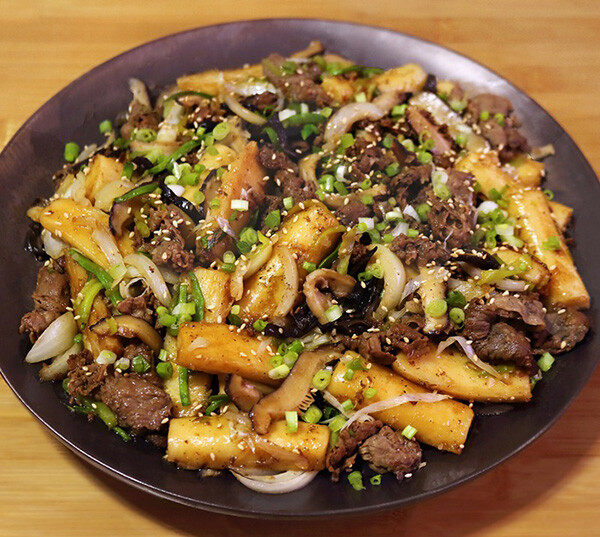
2. Gungjung Tteokbokki (Royal Court Tteokbokki): Made with soy sauce, stir-fried rice cakes with beef and
vegetables. It is named "royal" because it was once served at
royal banquets, though it's unclear if it was truly a court dish. This is
often referred to as soy-sauce tteokbokki. This type is not very popular
made these days.
© Home Cuisine
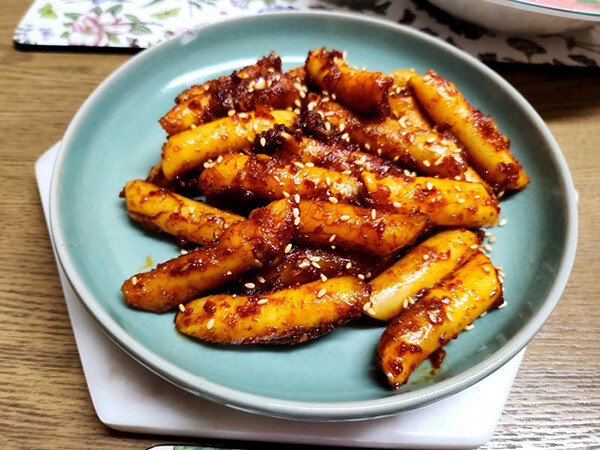
3. Oil Tteokbokki: A simpler variety
where rice cakes are stir-fried with oil and sauce. It comes in soy sauce
or spicy versions. Originating from Tongin Market in Jongno-gu, it became
popular through media exposure but often lacks the original taste as the
owners have changed multiple times.
© 10000recipe
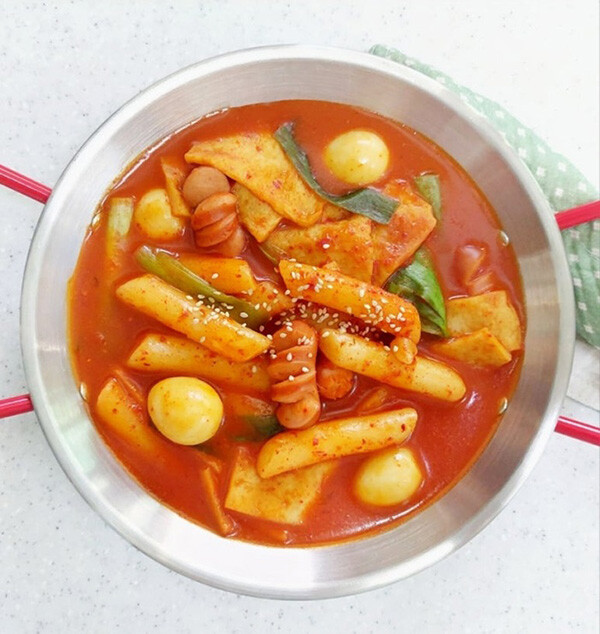
4. Soup Tteokbokki: Unlike thick and
sticky tteokbokki, this version features a thinner broth. It's commonly
eaten by dipping fried foods or rice balls into the broth.
© 10000recipe
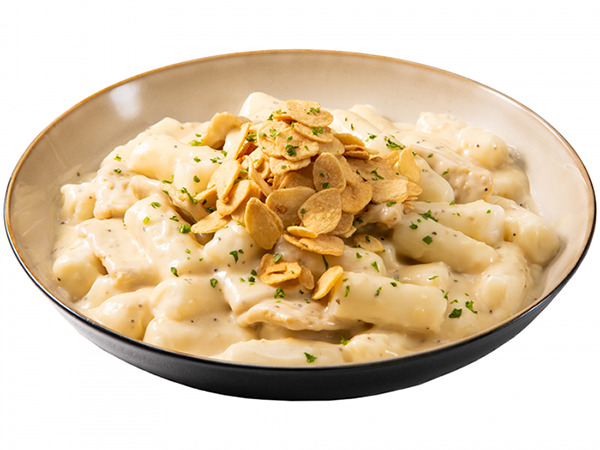
5. Cream Tteokbokki: Made with cream
sauce, this variety targets younger generations and is often found around
university areas. It is also known as "carbonara tteokbokki,"
though it has no direct connection to Italian carbonara pasta.
© Food Charge
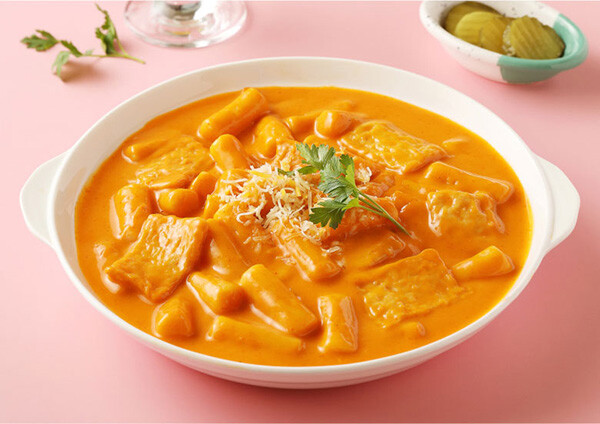
6. Rose Tteokbokki: A hybrid of tomato
sauce and cream sauce, this variety is popular for its spicy yet creamy
flavor. It became a trend in 2021, following the rise of dishes like mala
soup and dalgona coffee.
© Fooding Factory
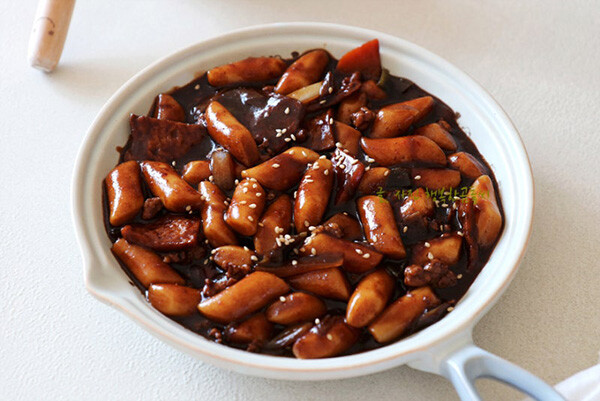
7. Jajang Tteokbokki: A sweet and
savory tteokbokki made with black bean paste, which is popular with
children.
© Naver Blog ivory27
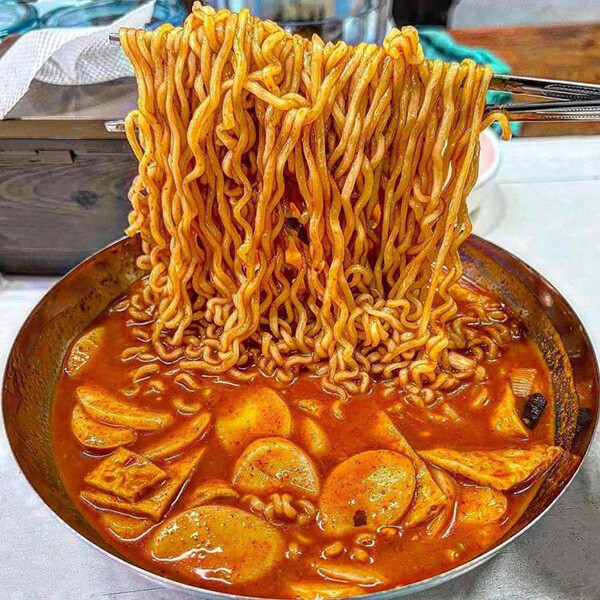
8. Rabokki: A combination of
tteokbokki and ramen noodles. Originally, it was just ramen in place of
rice cakes, but today, both are often included together.
© Esquire Korea
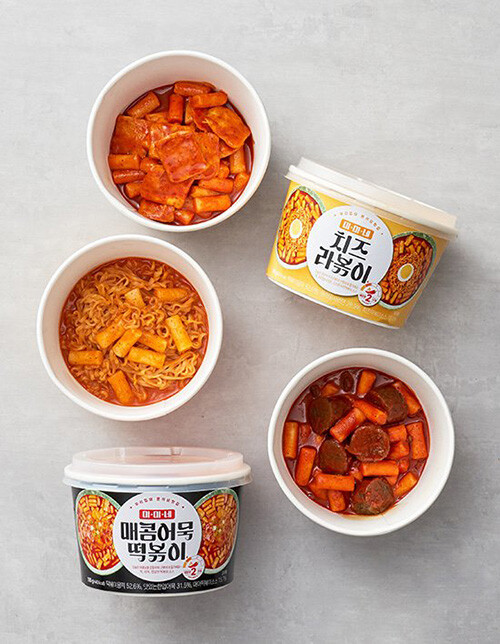
9. Cup Tteokbokki (also known as Cupbokki): This is a convenient version of gochujang tteokbokki served in
a paper cup, making it easy to carry and eat. It was popular in small
snack shops near schools, especially among elementary school students from
the '90s, who enjoyed it as an affordable snack, typically priced around
300–500 won, often paired with Pikachu-shaped pork cutlet. While it's more
about the method of eating rather than a distinct variation of tteokbokki,
it became an iconic and nostalgic treat for many.
© mymimine
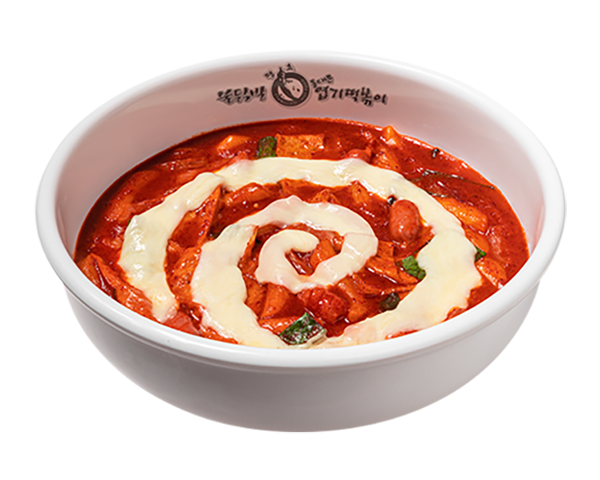
10. Yuptteok. Yuptteok is short for
Yupgi Tteokbokki (엽기떡볶이), which refers to a
specific type of tteokbokki. However, Yupgi Tteokbokki is a spicier and
more intense version compared to the typical tteokbokki. The term Yupgi (엽기) translates roughly to “extreme” or “crazy,” reflecting the
super spicy, bold flavors of this variation. The dish originated from a specific chain in Korea that popularized this
ultra-spicy version of tteokbokki.
© Esquire Korea
These days, it’s
easier than ever to enjoy tteokbokki at home, with a wide variety of instant
tteokbokki kits available for purchase. Whether you’re a fan of the classic
spicy-sweet version or looking to try something with a unique twist, these kits
offer convenience without compromising on flavor. What makes tteokbokki even
more fun is how customizable it is—you can adjust the level of spice,
sweetness, or add extra ingredients like cheese, vegetables, or even seafood to
suit your taste. For the full Korean snack experience, try pairing your
tteokbokki with mandu (Korean dumplings), kimbap (Korean seaweed rice rolls),
ramyun, or kimchi. It’s a combination that will surely leave you craving more!
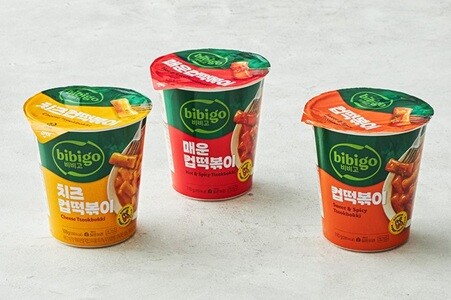
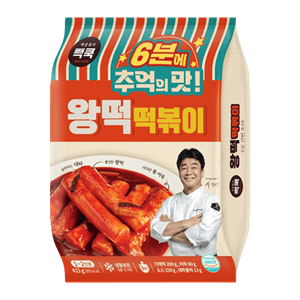
Bibigo Cup Tteokbokki 3 Types Baek Cook Tteokbokki (Big Size)
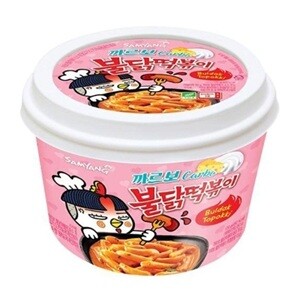
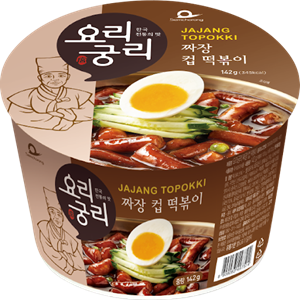
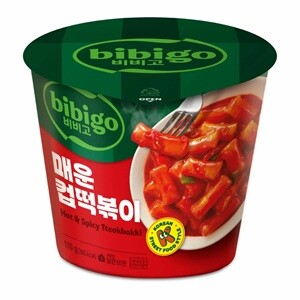
Samyang Carbonara Buldak Tteokbokki Larg Yorigung Jajang Cup Tteokbokki Bibigo Spicy Cup Tteokbokki
 Free Shipping Over
 Ships From Korea


 전체 카테고리
 Trending Searches 🔥


 ARAB EMIRATES
 AUSTRALIA
 BELGIUM
 BRAZIL
 CANADA
 DENMARK
 FINLAND
 FRANCE
 GERMANY
 GREECE
 HONG KONG
 IRELAND
 ITALY
 JAPAN
 MACAO
 MALAYSIA
 MEXICO
 MONACO
 NETHERLANDS
 NEW ZEALAND
 NORWAY
 PHILIPPINES
 QATAR
 RUSSIAN
 SAUDI ARABIA
 SINGAPORE
 SWEDEN
 SWITZERLAND
 TAIWAN
 THAILAND
 UNITED KINGDOM
 VIET NAM


