
If you like Korean food, you probably tried
to or at least thought about trying to cook some of the famous dishes by
yourself. However, cooking Korean dishes is not that easy if you don’t have
proper Korean kitchen utensils. Kitchen utensils in a lot of cases originate
from some traditional cooking tools used in the old times. And because Korean
food making is so different from the western style, the traditional kitchenware
is very different too.
Some of the popular Korean kitchenware
items may be unfamiliar and strange to you, but if you try cooking Korean food
with the specifically designated cookware, you will see that it tastes much
better when you cook or eat it the right way. That’s why we will introduce the
most popular items you should know about and you should try using if you plan
to cook Korean food.
Chopsticks
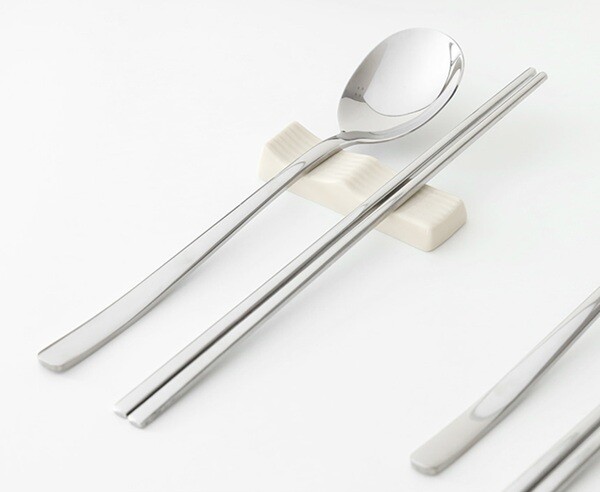
© Living_Story Stainless 304 spoon + chopsticks set
Same as in Japan, China and some other
Asian countries, in Korea people eat with chopsticks. For western people,
eating with two long sticks may seem difficult but in Korea children are taught
to use chopsticks around the age of four. So, by the time they are adults it
becomes very easy and natural to Korean people. Even while cooking food, it is
usually easier for Korean people to use chopsticks instead of spoon or any
other western-style cooking utensils. Additionally, it is believed that moving
your fingers while using chopsticks helps a lot with brain development. These
days Korean chopsticks can be easily purchased online in sets with a spoon, so
you always can try to improve your chopsticks skills and try if Korean food
tastes better when you use them.
Scissors
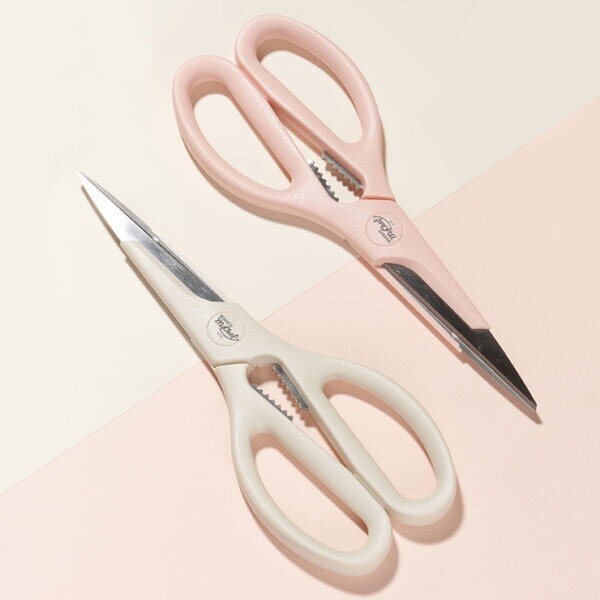
© DORCO Basic Kitchen Scissors
This
might be strange to people from the Western countries but scissors is a very
important kitchen tool in Korea. Koreans mainly use scissors to cut meat into
smaller pieces while grilling it. If you’ve ever been to a real Korean bbq
restaurant, there is no way you haven’t seen people cutting their meat with the
scissors. Additionally, it is used to cut leafy vegetables, kimchi, dried
seaweed, or long noodles if people prefer to eat them in shorter pieces. In
Korea, you can even find specialized kitchen scissors with features such as
multiple blades, bottle openers, and screwdrivers built into the handle.
Makgeolli bowl
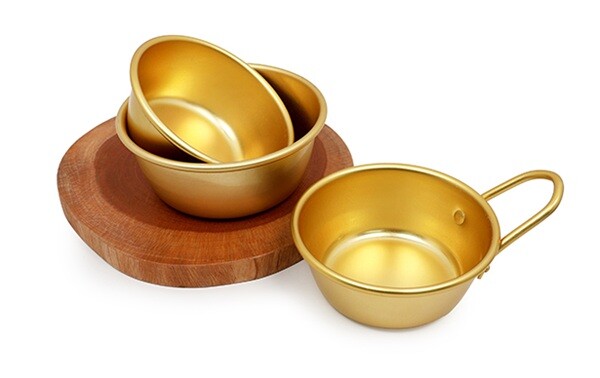
© Big Brother Mall Makgeolli Bowls
Makgeolli
is a type of Korean fermented rice wine and it is one of the most popular
alcohol drinks in Korea. So, a lot of Koreans have special traditional makgeolli
bowls at home, in which this drink is served. The bowl is typically wide and
shallow with slightly flared sides. There are different sizes, but usually it
holds around 100-200ml of makgeolli. Makgeolli has a unique texture and is
often served slightly milky or cloudy, so drinking from a bowl allows you to
better appreciate the drink’s appearance and aroma. The bowl also accommodates
the traditional method of serving makgeolli, where it is poured from a large
bottle or jar and shared in small amounts among people. If you are interested
in Korean alcohol, this might be a very interesting piece of kitchenware to
have at home or even to give as a gift to a friend.
Triangle Kimbap Mold
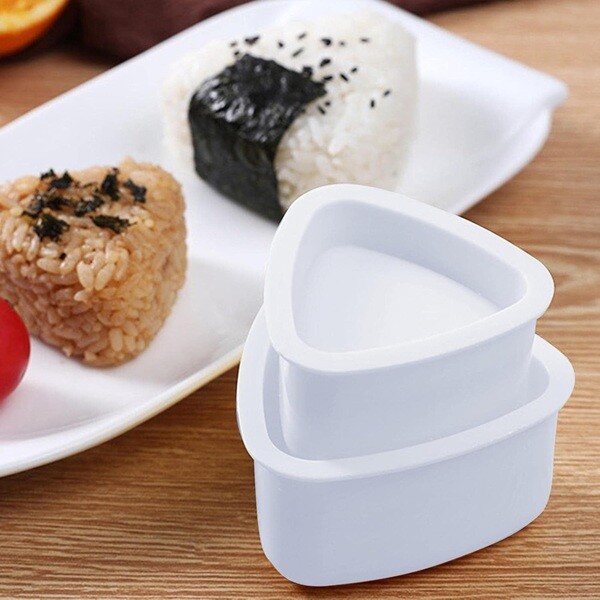
© Ercorp Triangle Gimbap Mold
If you are interested in Korean food, you’ve
probably heard about kimbap. But kimbab has a lot of different types, and one
of them is triangle kimbab (or samgak kimbab). This type has a triangular shape
and is designed to be easily eaten on the go, which is why it is usually sold
in the convenience stores all around Korea. However, if you would like to make
a triangle kimbab by yourself, there is a problem. How to make the triangular
shape? That’s where you would need the triangle kimbab mold. It’s a quite cheap
specialized tool to shape rice into a triangle. These molds are usually made of
plastic or silicone, that is food safe and easy to clean. The mold saves time
and ensures that each piece of kimbap is the same size and shape, which is especially
ideal when preparing large batches for gatherings, parties, or picnics.
Rice cooker
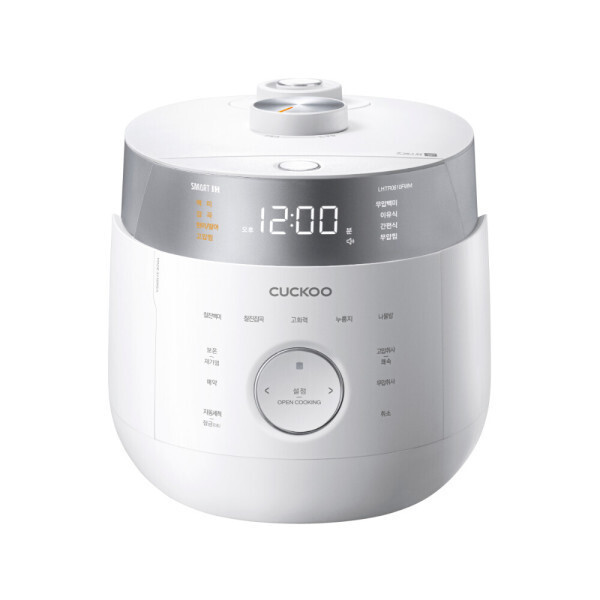
© Cuckoo CRP-LHTR0610FWM Rice Cooker
Probably the most important kitchen
appliance in Korea is rice cooker. Rice is Korean staple food and many Korean
dishes cannot be imagined without rice. That is why everyone in Korea has a
rice cooker in their kitchen. Rice cookers have been there for some time now,
but the companies continuously upgrade them and add new features. Beyond just
cooking rice, many Korean rice cookers these days offer multiple cooking modes
for a variety of dishes. For example, they may include settings for porridge,
steaming vegetables or dumplings, soup, and even slow cooking. This versatility
makes the rice cooker an essential appliance for preparing a range of Korean
dishes, like kimchi jjigae (kimchi stew) or some banchans (side dishes).
Ttukbaegi
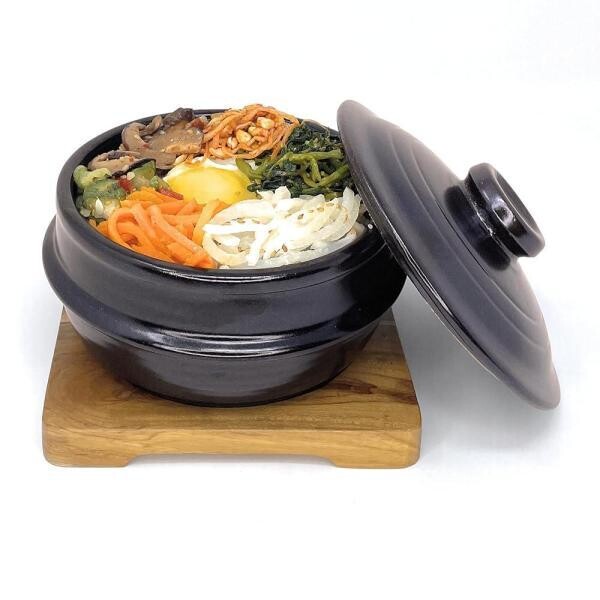
© Future Buy Company Stone Ttukbaegi
Ttukbaegi is a traditional Krean
earthenware pot typically made of thick, heat-retaining clay. Ttukbaegi often
has a slightly domed lid and a deep, wide shape. They are known for their
ability to retains and evenly distribute heat. So, the food continues to be
cooked in the pot even after it’s served, which adds to the dining experience.
That is why these traditional pots are considered to be perfect for cooking and
serving soups, stews and other dishes. The most common dishes ttukbaegi is used
for are kimchi jjigae (kimchi stew), sundubu jjigae (tofu stew), dolsot
bibimbap (sone pot bibimbap).
Onggi
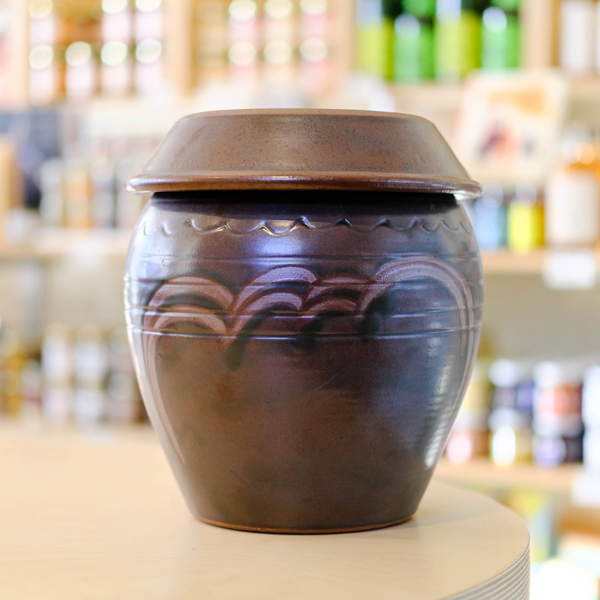
© Onggi hangari pot
This traditional Korean earthenware is used
for making and preserving many Korean traditional food ingredients, like
soybean paste, red chili paste, kimchi and so on. Onggi pots are traditionally
made of clay. These pots are considered to be an essential part of Korean
culinary traditions, since they were used long time ago in ancient Korea. Onggi
can be of various sizes and shapes, each designated for a specific purpose. Traditionally,
families would store kimchi or sauces in onggi pots outside during colder
months, where the outdoor temperature helped with fermentation. The onggi was
often placed in the yard or on a rooftop to take advantage of the natural
environment. Today, although modern materials have replaced onggi in many
homes, they are still valued for their cultural and historical importance, and
many people continue to use onggi pots for traditional fermentation and
cooking.
Grill
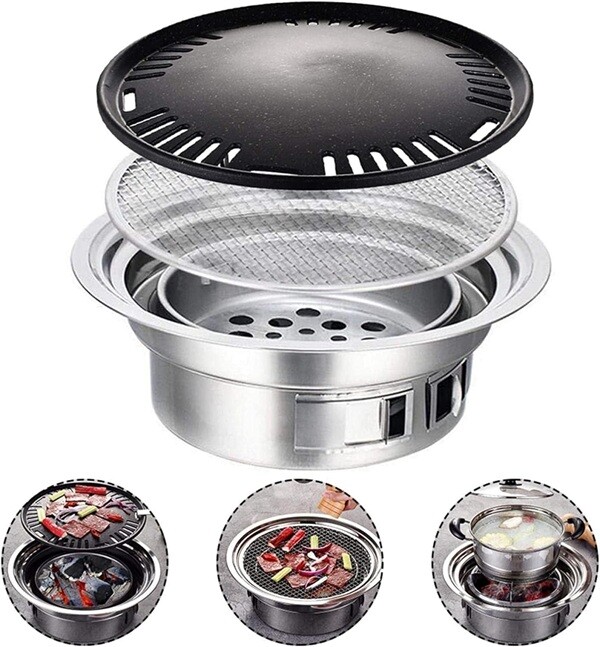
© GMarket Charcoal Barbecue Grill
Korean BBQ is an interactive and social
dining experience, which often involves grilling marinated or unmarinated meats
like samgyeopsal (pork belly), galbi (short ribs), or bulgogi (marinated beef)
at the table. The grill pan allows to grill meat and serve it at home. Korean
grill pans are specifically designed to create the same grilling experience you
would get from traditional tabletop grills. These pans often feature a raised,
ridged surface or a grill pattern that allows fat and juices to drip away from
the meat as it cooks, ensuring a crispy, seared texture on the meat while
keeping it tender and juicy. The ridges also give the meat those iconic grill
marks that enhance both the look and flavor of the dish. A unique feature of
many Korean grill pans is their ability to cook meat quickly and evenly. They’re
typically used on a stovetop or even directly on a gas flame (with some designs
offering a built-in burner), or they can be used with a portable gas stove for
an authentic tabletop grilling experience.
Bungeoppang pan
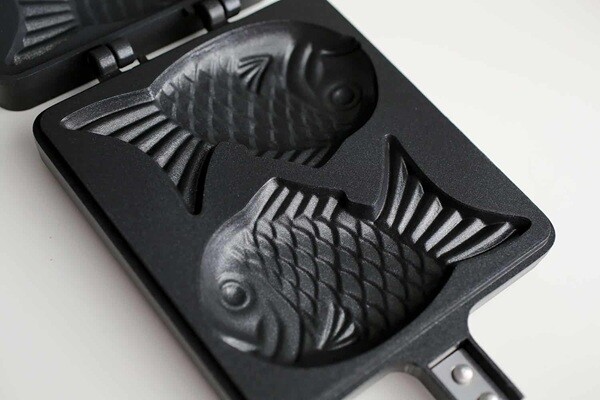
© Maangchi's Korean cooking Bungeoppang pan
This special pan is specifically designed
with fish-shaped molds for making Korean fish-shaped pastry with red bean
fillings called bungeoppang. The bungeoppang pan is usually made from cast iron
or non-stick material, ensuring that the batter cooks evenly and creates a
crisp, golden-brown exterior while the inside remains soft and moist. To make
bungeoppang, you pour a batter into the molds, fill them with red bean paste or
another filling like custard or chocolate, then cover with more batter. The pan
is flipped over to cook both sides evenly, ensuring a crisp, golden fish-shaped
pastry. Bungeoppang pans are widely used in Korean homes and are also popular
for making other types of filled pastries or snacks. These pans are a fun and
easy way to recreate the beloved bungeoppang at home, offering a nostalgic
experience for those who have enjoyed this street food in Korea.
These Korean kitchen utensils and cookware
are not widely recognized outside of Korea, particularly in Western countries,
making them unique and thoughtful gift options for anyone interested in Korean
culture and cuisine. Whether you're looking to surprise a friend or elevate
your own cooking, these tools will bring an authentic touch to your kitchen. If
you’re a fan of Korean food, these utensils will not only enhance your cooking
experience but also help you prepare dishes with more precision, bringing out
the true flavors of Korean cuisine in a way that makes every meal even more
delicious.
 Free Shipping Over
 Ships From Korea


 전체 카테고리
 Trending Searches 🔥






 ARAB EMIRATES
 AUSTRALIA
 BELGIUM
 BRAZIL
 CANADA
 DENMARK
 FINLAND
 FRANCE
 GERMANY
 GREECE
 HONG KONG
 IRELAND
 ITALY
 JAPAN
 MACAO
 MALAYSIA
 MEXICO
 MONACO
 NETHERLANDS
 NEW ZEALAND
 NORWAY
 PHILIPPINES
 QATAR
 RUSSIAN
 SAUDI ARABIA
 SINGAPORE
 SWEDEN
 SWITZERLAND
 TAIWAN
 THAILAND
 UNITED KINGDOM
 VIET NAM


