
Traditional Korean games have long been a
significant part of the country’s cultural heritage, many of which are still
enjoyed by children and adults alike. These days, thanks to Netflix Korean
drama “Squid Game” and “Squid Game 2” Korean children’s games captivated even
global audiences. Whether because of the popular show or not, here are a few
games that remain the most popular today:
No.
1
Gong-gi
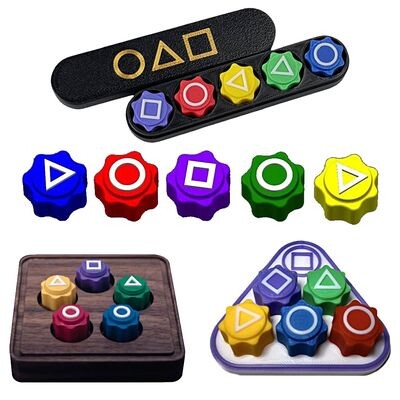
© GMarket Gonggi Korean Traditional Play Game
Gong-gi, similar to the Western game of
jacks, is a traditional Korean game played with small, lightweight stones or
plastic pieces. The goal is to toss and catch the pieces in increasingly
complex patterns, building skill in hand-eye coordination and reflexes. While
it's primarily a game for children, its simplicity and challenge make it a game
that transcends generations. In fact, many modern versions have evolved, with
specialized sets sold in toy stores.
No.
2
Ddakji
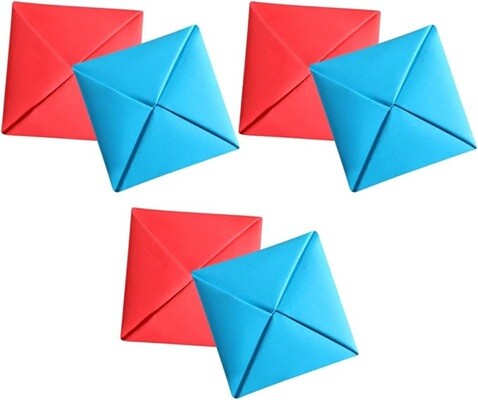
© GMarket 6 Pack Dakji Korean Game Hard Cardboard Hiting Paper Game
This game involves folded paper tiles, and
the objective is to flip your opponent’s tile by striking it with your own. The
game may look simple, but it’s highly competitive, with players often showing
off creative folding techniques to give their tiles an advantage. Ddakji gained
significant international attention through its appearance in the Netflix
series “Squid Game”, although in Korea it’s been a beloved game for
generations.
No.
3
Jebi
Chagi
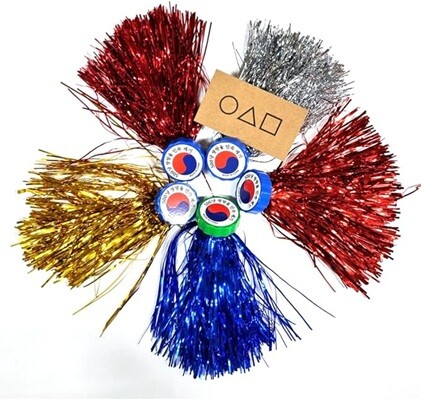
© GMarket Jegi Chagi Korean Old Game 5 pcs
Jebi Chagi is Korea’s answer to hacky sack.
Players kick a small, folded paper object into the air using their feet, trying
to keep it airborne for as long as possible. It requires good balance,
coordination, and precision, and is typically played in informal settings, such
as parks or streets. The game is still enjoyed by children and is occasionally
used in schoolyards to promote physical activity.
No.
4
Biseokchigi
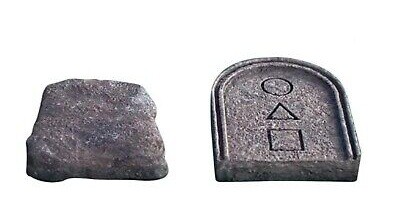
© GMarket Gonggi Korean Traditional Play Game
This classic outdoor game involves players
trying to knock over a stack of stones with a smaller projectile stone. The
challenge lies in the accuracy required to hit the target, while also
strategizing how to approach each shot. Biseokchigi is often played during
festivals or in rural areas and is great for group play. It’s a game that also
promotes hand-eye coordination, patience, and precision.
No.
5
Paengi
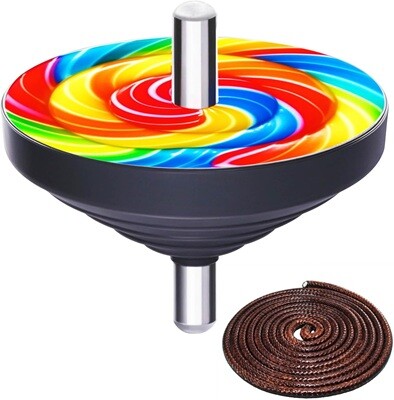
© GMarket Spinning Top Game Set Paeng-y
Paengi is the Korean version of spinning
tops, where players wind a string around a top and release it onto the ground.
The competition is about keeping the top spinning the longest or knocking
opponents' tops out of the spinning zone. This game has been passed down for
centuries, and while it's often played by younger generations, adults who grew
up playing also take part during holidays and festivals. The game encourages
dexterity, control, and friendly competition.
No.
6
Halli
Galli
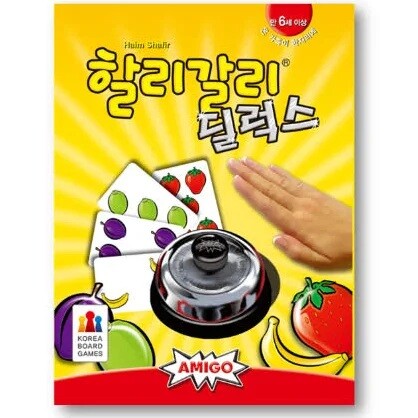
© GMarket Halli Galli Card Game
Halli Galli is a fast-paced card game where
players take turns revealing cards with fruit images. The goal is to hit a bell
when exactly five identical fruits appear across the cards. It’s a game of
quick reflexes and sharp observation, perfect for families and competitive
play. Available in various formats, it’s still popular today for its simplicity
and speed.
No.
7
Yut-nori
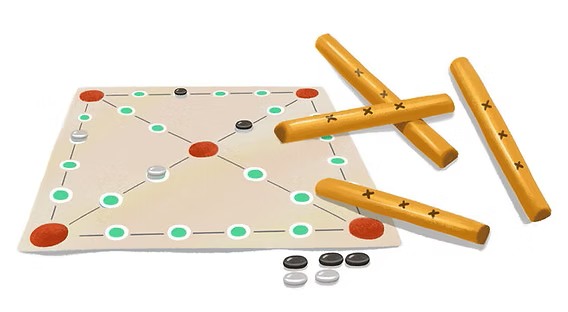
© GMarket Yutnori Korean Traditional Play Game
Yut-nori is a traditional Korean board game
played with four wooden sticks (yut) that determine how many spaces your pieces
move. The goal is to move your pieces around the board and reach the finish
line before your opponents. It’s a game of strategy and luck, often played
during holidays like Seollal and Chuseok, and continues to be a fun social
activity enjoyed by all ages.
These games continue to thrive in modern
Korea, often played during traditional festivals, community events, and in
schoolyards. Additionally, many of these games are being adapted for digital
platforms, which helps keep them relevant to younger generations. However, the
original forms remain cherished as a connection to Korea’s rich cultural
traditions. If you want to become closer to the Korean traditional childhood
experience or at least if you are a fan of “Squid Game”, you definitely should
try some of these games!
 Free Shipping Over
 Ships From Korea


 전체 카테고리
 Trending Searches 🔥






 ARAB EMIRATES
 AUSTRALIA
 BELGIUM
 BRAZIL
 CANADA
 DENMARK
 FINLAND
 FRANCE
 GERMANY
 GREECE
 HONG KONG
 IRELAND
 ITALY
 JAPAN
 MACAO
 MALAYSIA
 MEXICO
 MONACO
 NETHERLANDS
 NEW ZEALAND
 NORWAY
 PHILIPPINES
 QATAR
 RUSSIAN
 SAUDI ARABIA
 SINGAPORE
 SWEDEN
 SWITZERLAND
 TAIWAN
 THAILAND
 UNITED KINGDOM
 VIET NAM


