
You've likely heard of "Minari", the
2020 film written and directed by Lee Isaac Chung, which tells the story of a
Korean-American family striving to build a life on a farm in rural Arkansas. In
the movie, the grandmother, portrayed by Oscar-winning actress Youn Yuh-jung,
plants minari (water dropwort) near a stream, symbolizing resilience and the
importance of cultural roots. This humble herb, thriving in new soil, becomes a
poignant metaphor for the family's journey and the broader immigrant
experience. But beyond the screen, minari is a beloved spring vegetable in
Korea, cherished for its fresh flavor and health benefits.

ⓒ A24
What Is Minari?
Minari, also known as water dropwort or
Korean watercress, is a leafy green with crisp stems and a clean, slightly
peppery taste. It thrives in wet environments like stream banks and paddy
fields, making it a common sight in Korean countryside gardens. Both the leaves
and stems are edible, and it’s often used fresh, blanched, or lightly cooked in
various dishes.
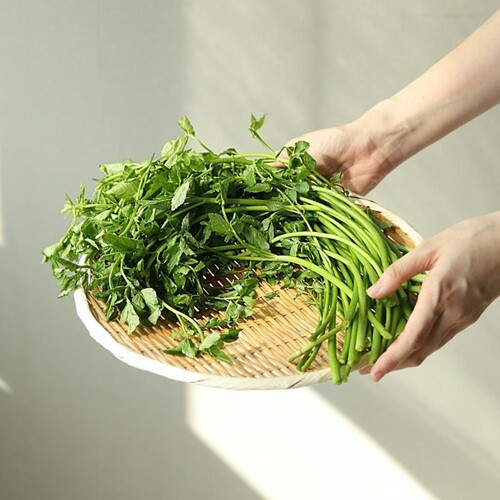
ⓒ W Table
In Korean culture, minari is more than just
a plant; it's a cherished symbol of spring. While it can grow year-round except
during winter, minari harvested in spring is considered the best – tender,
fragrant, and full of flavor. Spring minari is the most tender – perfect for
eating raw. That is why for many families, eating minari is a seasonal ritual.
As one Korean writer noted, “Adults say that if you don’t eat minari at least
two or three times between February and March, you haven’t properly welcomed
the spring.”
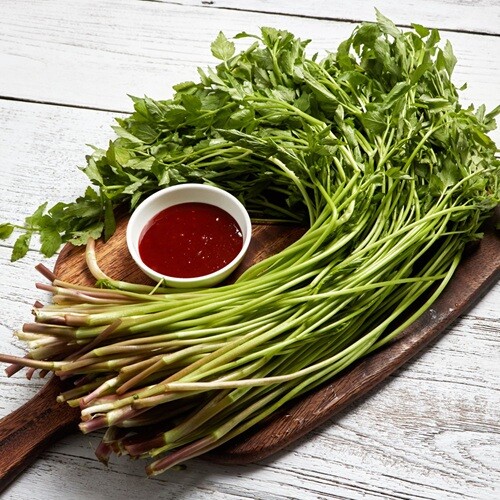
ⓒ G Market
Health Benefits of Minari
Minari isn’t just tasty – it’s also packed
with nutrients. It’s rich in calcium, iron, potassium, and fiber, which support
bone health, blood circulation, and digestion. Its detoxifying properties help
cleanse the liver and reduce inflammation. Traditionally, it has been used to
lower blood pressure and even treat minor ailments like hives and fevers.
Easy Minari Dishes to Try
1. Minari Muchim (Seasoned Minari Salad)
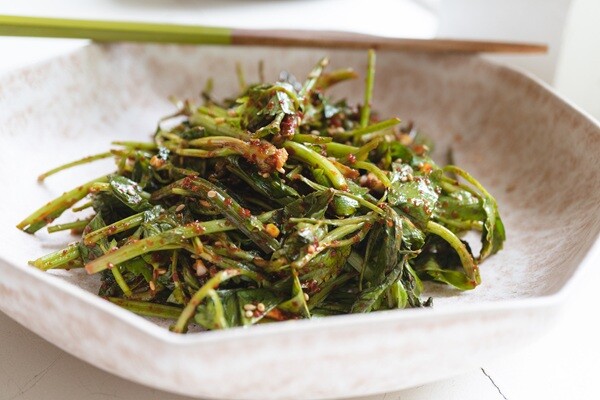
ⓒ Carving A Journey
This simple side dish highlights minari’s
fresh flavor. Blanch the minari briefly, then mix it with a sauce made from soy
sauce, vinegar, sesame oil, and a touch of sugar. Add minced garlic and sliced
chili for extra kick. It’s a refreshing accompaniment to grilled meats or rice
dishes.
2. Minari Jeon (Minari Pancakes)
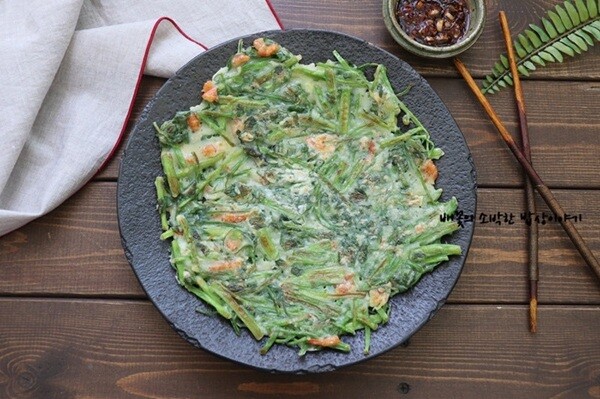
ⓒ Naver Blog 배꽃의 소박한 밥상이야기
Minari jeon is a savory pancake that
combines chopped minari with a light batter. Mix flour, water, and a pinch of
salt to create the batter, then fold in the minari. Pan-fry until golden brown
on both sides. Serve with a dipping sauce made from soy sauce, vinegar, and a
dash of sesame oil.
3. Minari in Soups and Stews
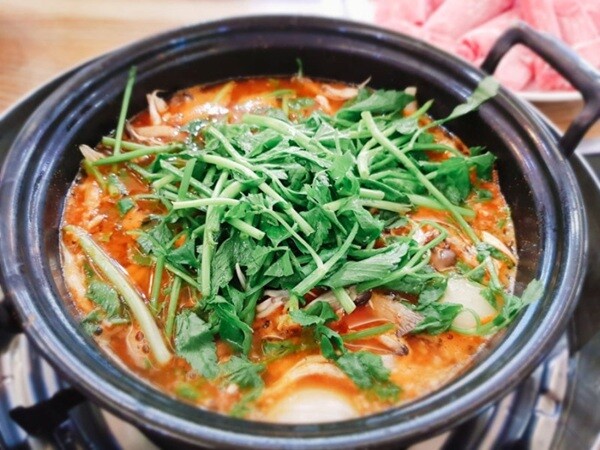
ⓒ Naver Blog 황금빛 인생
Adding minari to soups and stews brings a
fresh, herbal note that balances rich flavors. In Korea, it’s commonly added to
dishes like maeuntang (spicy fish stew) just before serving, enhancing both
taste and aroma.
Minari and Samgyeopsal: A Perfect Pairing
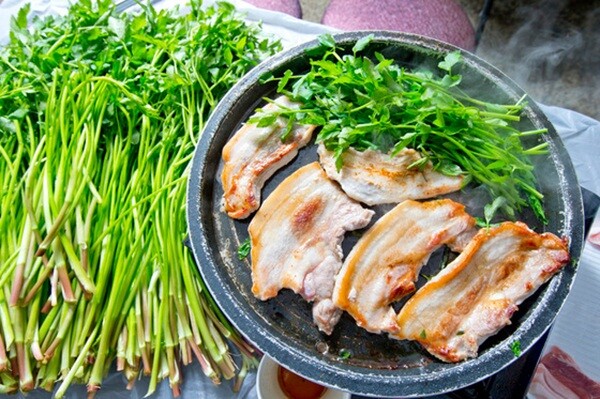
ⓒ The JoongAng
One popular way to enjoy minari is with
samgyeopsal (grilled pork belly). The crisp, slightly bitter minari complements
the rich, fatty pork, creating a harmonious balance of flavors.
Minari Samgyeopsal Recipe:
Ingredients:
• Fresh minari, washed and trimmed
• Slices of pork belly
• Ssamjang (Korean dipping sauce)
• Garlic cloves, sliced
• Green chili peppers, sliced
• Lettuce leaves

ⓒ Daum
Instructions:
1. Grill the pork belly slices until they are
cooked and slightly crispy.
2. On a lettuce leaf, place a piece of grilled
pork, a few sprigs of minari, a slice of garlic, and a slice of chili pepper.
3. Add a dab of ssamjang.
4. Wrap the lettuce around the fillings and
enjoy in one bite.
This combination is a staple in Korean BBQ
and showcases how minari can elevate a meal with its fresh taste.
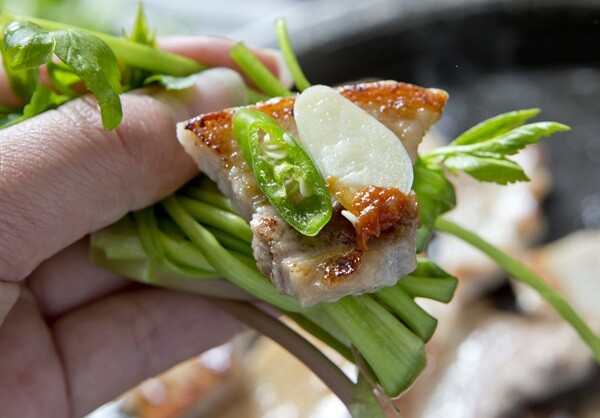
ⓒ The JoongAng
Minari is more than just a vegetable; it’s
a celebration of spring and a testament to the enduring connection between food
and culture. So next time you’re at an Asian market or see minari in a grocery
store, pick up a bunch and try incorporating it into your cooking. It’s a
delicious way to welcome the spring season and explore the rich flavors of
Korean cuisine.
Complementary Korean products to explore:
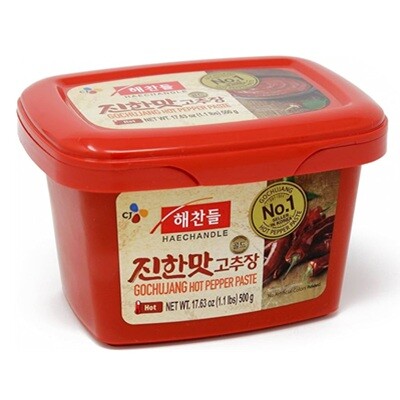
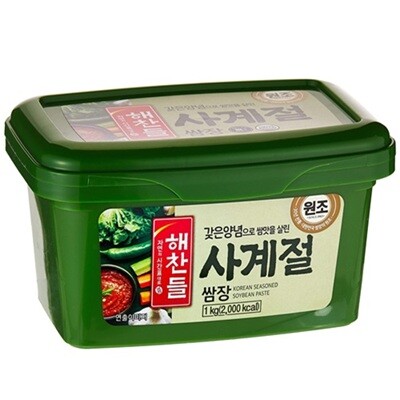
ⓒ CJ Haechandeul Gochujang Hot Pepper Paste ⓒ CJ Haechandeul Ssamjang Seasoned Soybean Paste
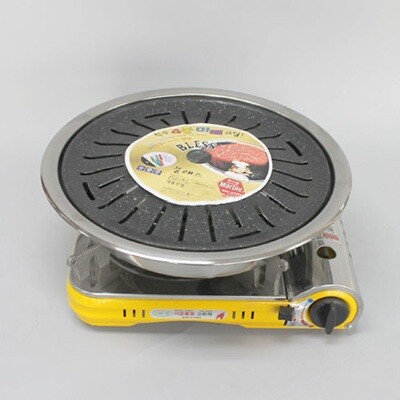

ⓒ NavidCook Korean Grill Stove ⓒ Ottogi Perilla Oil
 Free Shipping Over
 Ships From Korea


 전체 카테고리
 Trending Searches 🔥


 ARAB EMIRATES
 AUSTRALIA
 BELGIUM
 BRAZIL
 CANADA
 DENMARK
 FINLAND
 FRANCE
 GERMANY
 GREECE
 HONG KONG
 IRELAND
 ITALY
 JAPAN
 MACAO
 MALAYSIA
 MEXICO
 MONACO
 NETHERLANDS
 NEW ZEALAND
 NORWAY
 PHILIPPINES
 QATAR
 RUSSIAN
 SAUDI ARABIA
 SINGAPORE
 SWEDEN
 SWITZERLAND
 TAIWAN
 THAILAND
 UNITED KINGDOM
 VIET NAM


