
© Sulbing
Summer is just around the corner,
and as the weather gets hotter, there’s one dessert that Koreans turn to again
and again – bingsu. You might have seen it in K-dramas or Korean variety shows,
where friends or couples happily share a big bowl of sweet, icy goodness. Bingsu
is not just a dessert in Korea – it’s a summer tradition, a nostalgic memory, and
a trendy treat all in one.
What is Bingsu?
© Artisée
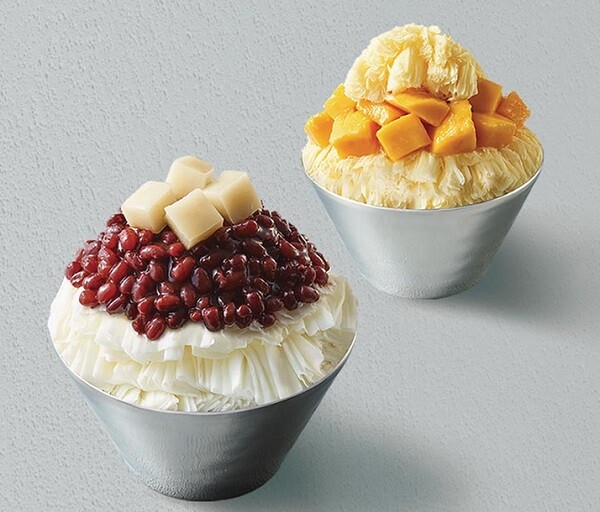
Bingsu (빙수) is a
Korean shaved ice dessert. It usually comes topped with sweet ingredients like
red beans, fruits, syrups, condensed milk, or ice cream. It’s cold, refreshing,
and perfect for hot summer days. The texture is light and soft – especially
with the modern versions that use milk ice instead of plain ice. It melts in
your mouth like snow, which is why it’s often called “snowflake bingsu”.
A Sweet History of Bingsu
The history of bingsu goes back to the
Joseon Dynasty. In the past, ice was a rare and precious item. Nobles and royal
families enjoyed small servings of ice with fruit or honey. Later, during the
20th century, bingsu became more popular among everyday people. The classic
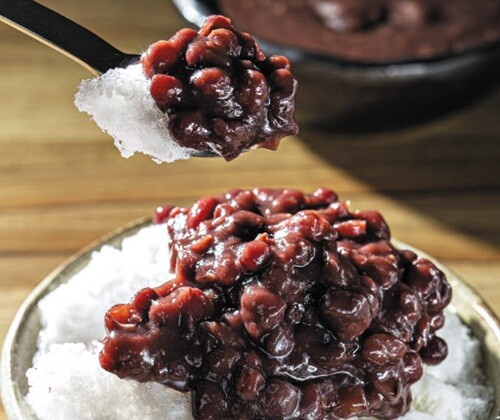
version was patbingsu (팥빙수) – shaved ice with sweet red
bean paste, tteok (rice cake), and condensed milk. It was a simple but beloved
summer snack.
© Lee Shin-young, Video Media Reporter
In the 1990s and early 2000s, cafés like
CANNMORE, Red Mango, and Iceberry started adding fresh fruits to bingsu. These
fruity versions became popular hangout desserts for Korean teens and college
students.
Then came a big change – milk-based ice. In
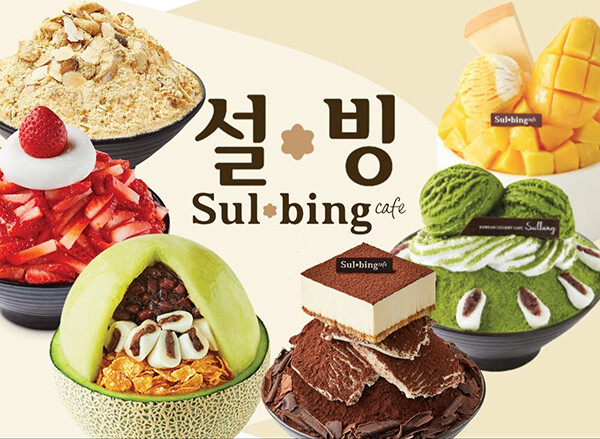
2013, a dessert café called Sulbing (설빙), which is
still one of the most popular bingsu spots in Korea, opened and introduced
bingsu made with frozen milk instead of just ice. It was soft, creamy, and
packed with unique toppings like Injeolmi (roasted soybean rice cake), mango
cheesecake, green tea, and more. Thanks to Sulbing, bingsu entered a new era.
© Sulbing
Bingsu Today: Toppings, Trends, and More
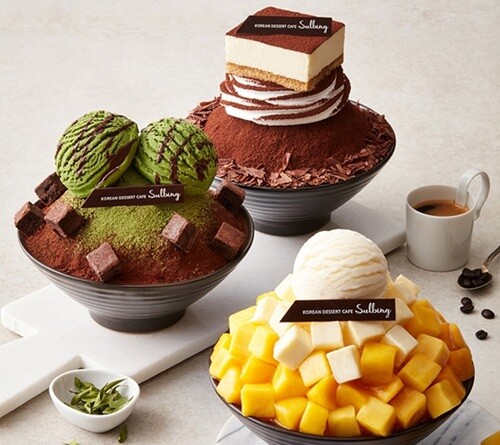
Modern bingsu is all about creativity and
visual appeal. Many cafés now serve colorful bingsu topped with seasonal
fruits, handmade jellies, ice cream, chocolate, and even flowers. The prettier
the bingsu looks, the more popular it is – especially on Instagram.
© Sulbing
But it’s not just about the looks. Taste
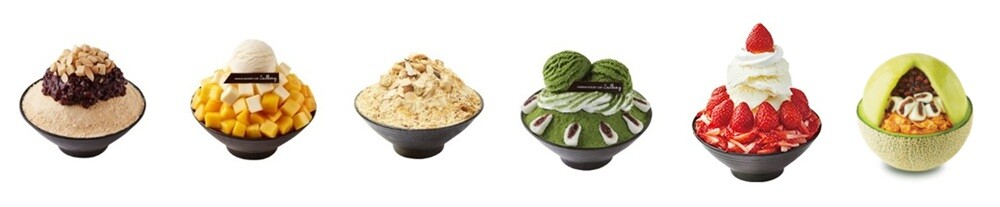
still matters! Some popular bingsu flavors you can find in Korea today include:
• Mango Bingsu – Often made with fresh apple
mango, mango ice cream, and syrup. Sweet and tropical.
• Injeolmi Bingsu – A nutty, chewy option
with roasted soybean powder and rice cakes.
• Green Tea Bingsu – For matcha lovers. Often
topped with red bean paste and green tea ice cream.
• Strawberry Bingsu – A popular winter treat
in Korea, served with whipped cream and whole strawberries.
• Melon Bingsu – Served in a melon half with
melon balls and ice cream inside!
© Sulbing
Even though traditional patbingsu is less
trendy now, it still has a special place in many Koreans’ hearts. For older
generations, it brings back memories of their childhood summers.
Can You Make Bingsu at Home?
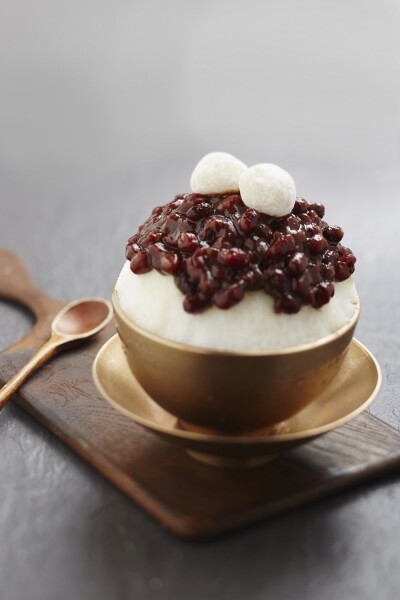
Yes! While café bingsu looks fancy, you can
easily make a simple version at home.
© Okrumong
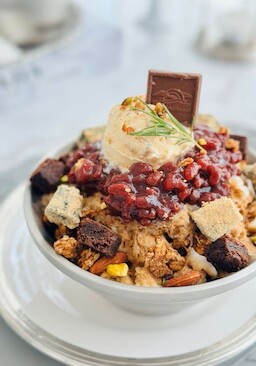
Here’s a basic DIY bingsu recipe:
1. Freeze milk in an ice cube tray overnight.
(This gives you the soft “snow” texture.)
2. Blend or shave the frozen milk until it’s
fluffy.
3. Add toppings: red bean paste, fruits,
condensed milk, cereal, or even cookies!
4. Serve it right away before it melts.
© Ohouse
Some stores in Korea and online sell bingsu
kits, complete with toppings and flavored syrups.
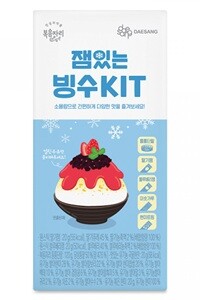
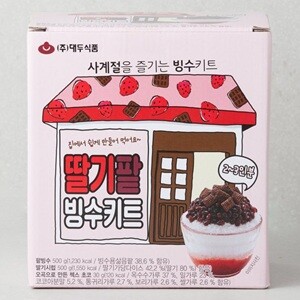
© Daesang Bingsu Kit © Daedoo Foods Strawberry Patbingsu Kit
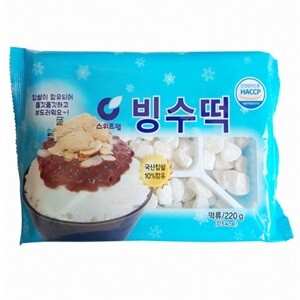
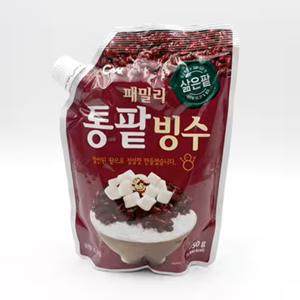
© Sweetwel Bingsu Rice Cakes 200g © CW Cheongwoo Patbingsu Red Bean 750g
Bingsu is more than just a cold dessert – it’s
a fun and delicious part of Korean culture. Whether you try it in a stylish café
in Seoul or make it at home on a hot day, bingsu is sure to cool you down and
make your summer a little sweeter.
 Free Shipping Over
 Ships From Korea


 전체 카테고리
 Trending Searches 🔥


 ARAB EMIRATES
 AUSTRALIA
 BELGIUM
 BRAZIL
 CANADA
 DENMARK
 FINLAND
 FRANCE
 GERMANY
 GREECE
 HONG KONG
 IRELAND
 ITALY
 JAPAN
 MACAO
 MALAYSIA
 MEXICO
 MONACO
 NETHERLANDS
 NEW ZEALAND
 NORWAY
 PHILIPPINES
 QATAR
 RUSSIAN
 SAUDI ARABIA
 SINGAPORE
 SWEDEN
 SWITZERLAND
 TAIWAN
 THAILAND
 UNITED KINGDOM
 VIET NAM


