
© Netflix
When Squid Game burst onto Netflix in 2021, it wasn’t just another K-drama, it
became a global phenomenon. Its stark social commentary, nail-biting games, and
haunting imagery captured viewers worldwide. Among the standout elements was
the eerie rendition of Korea’s childhood staple game, “Red Light, Green Light,”
complete with that unforgettable children’s song. This time, Season 3,
released June 27, 2025, once again reignites the internet – not only
with new brutal games but fresh takes on nostalgic tunes that have skyrocketed
in popularity, especially among foreign fans of Korean culture.
© Netflix
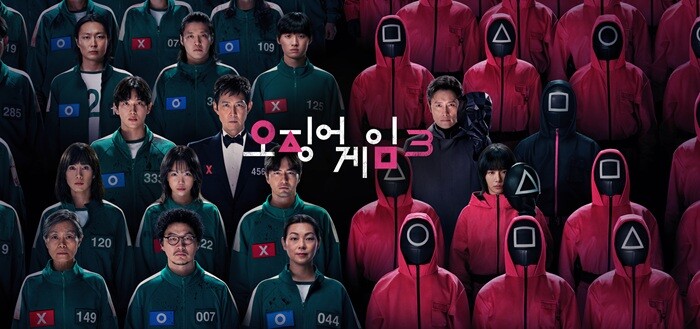
Premiering just six months after Season 2,
Squid Game Season 3 dives deeper into the twisted world of the series. The
contestants, including returning hero Seong Gi‑hun, are pulled back into the death games – this time dominated by
lethal childhood nostalgia set against the backdrop of a Korean train station
aesthetic. The buzz was immediate: critics praised the emotional depth and
psychological tension, while online communities debated the ingenuity of the challenges.
New Games in Squid Game Season 3
© Netflix
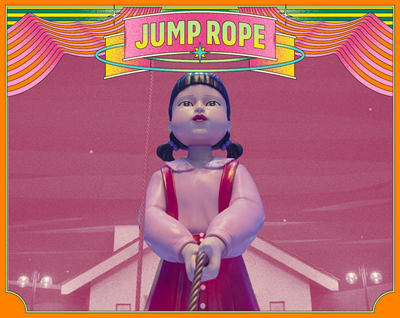
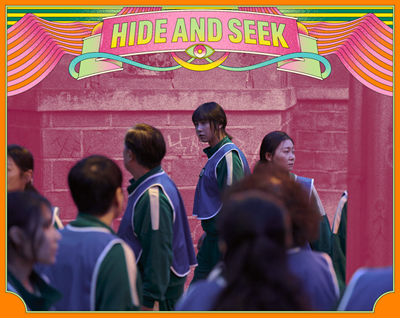
Season 3 introduces new, intense games that
are both creative and terrifying. One of the most talked-about is the Jump Rope
challenge, where players must cross a narrow platform while avoiding a swinging
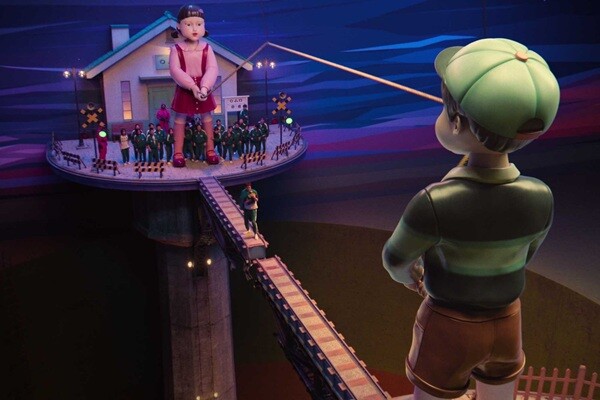
robotic jump rope. This time, the familiar robot doll Young-hee returns joined
by a newly introduced companion, Cheol-su, as the two rhythmically turn the
jump rope and watch the players struggle. Another memorable game is
Hide-and-Seek, which takes place under a dark, star-filled sky, adding a
strange mix of beauty and fear. The sets are more detailed than ever, making
the games feel even more real. These fresh challenges show how the creators continue
to surprise viewers while staying true to the show’s childhood game theme.
Squid Game Children Songs
© Netflix
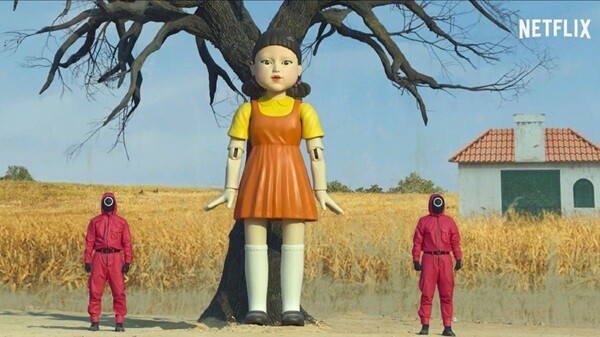
Red‑Light, Green‑Light: A Modern Classic
The haunting version of “무궁화 꽃이 피었습니다” (“Red Light, Green Light” song or “Rose of Sharon has bloomed” song
as they translate it to English) sung by the robot doll Young‑hee became an instant soundtrack of fear during Season 1. Its
blend of innocence and dread remains potent, and now it’s caught on again as
fans revisit the series ahead of Season 3. One article notes the song’s
success lies in the nostalgic tug it pulls, mixed with its chilling context.
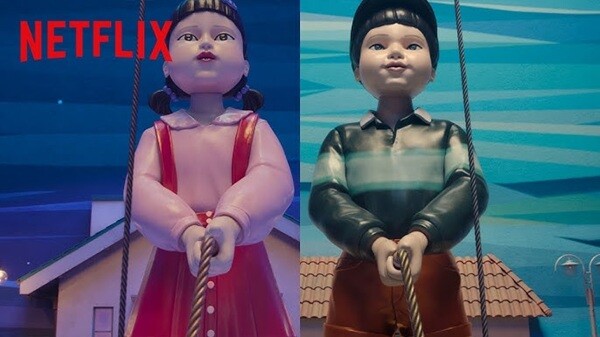
© Netflix
Jump Rope Song: This Season’s Earworm
While “Red Light” was already legendary,
Season 3 introduces a brand‑new jump rope chant – equally catchy and uplifting, yet haunting
within the show’s sinister context. TikTok and Instagram were flooded
post-release with clips of fans attempting the jump rope dance, lip-syncing to
its eerie melody or covering the song with the music instrument. Even Netflix’s
own account spotlighted its viral status, aptly calling it “on everyone’s mind”
after the premiere.
TikTok Takes Over

© Tiktok
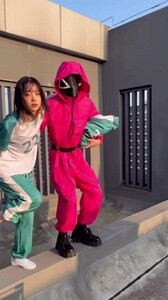
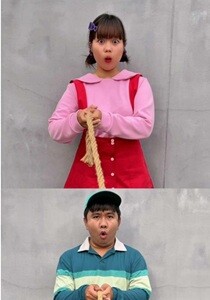
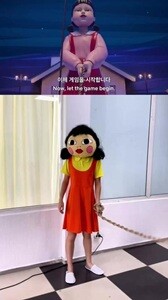
Foreign fans especially embraced the jump rope song on TikTok. Challenges range from lighthearted recreations to stylized
dance covers. One clip that went viral is where cast members (Lee Jung-jae, Yim Siwan, Park Sung-hoon, Kang Ae-sim, Park Gyu-young, Jo Yu-ri) themselves doing a jump rope song acapella version. Another popular
remix even brings the tune to club beats! This parallels the way Netflix’s own
teasers and behind‑the‑scenes snippets helped fuel the trend.

© Netflix
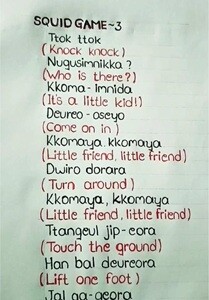
Jump Rope Song Lyrics: What Do They Sing?
The Season 3 jump rope song quickly
became viral – not just for its melody but also for its playful, slightly eerie
lyrics. Rooted in traditional playground rhymes, the song feels innocent on the
surface, but within the show’s tense context, it carries a much darker
undertone. Here’s how it goes:
Knock-knock
Who is there?
Your little friend
Come on in
Little one, little one, turn around
Little one, little one, touch the ground
Little one, little one, lift up your shoe
Little one, little one, goodbye to you!
© Netflix
With its call-and-response structure and
gentle rhythm, the song feels like something you might hear in a schoolyard, until
the last line, which hits with an ominous finality. It’s this juxtaposition of
childhood charm and creepiness that makes the song so unforgettable and so
perfect for Squid Game.
Why Children’s Songs? The Symbolism
© Netflix
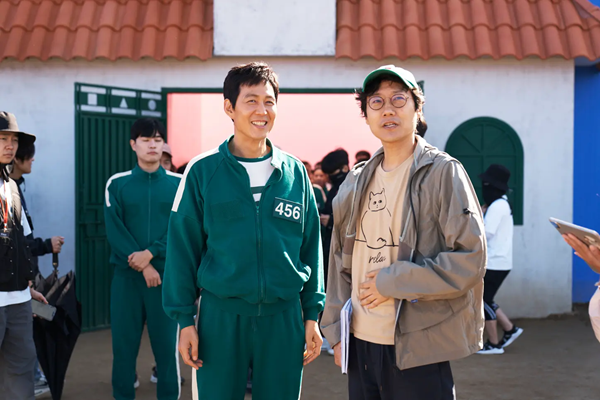
Why does Squid Game keep turning to children’s rhymes? It’s more than nostalgia – it’s
their signature style. Squid Game director Hwang Dong-hyuk and his team
juxtapose innocence and brutality, highlighting societal inequalities. The
songs, innocent on the surface, become instruments of terror in context. The
iconic doll and nursery music contrast sharply with mass murder, making every
note a chilling commentary on capitalism’s hunger.
The Squid Game Impact

© SBS
The Squid Game craze continues to ripple across Korean content’s global reach.
Sales of traditional games – from dalgona candy to ddakji – have surged. Season 3’s
jump rope trend further showcases how Korean culture resonates with foreign
audiences, especially when blended with immersive TV. As Korean entertainment
diversifies, Squid Game proves the
power of merging nostalgia with high‑stakes drama.
© The Online Citizen
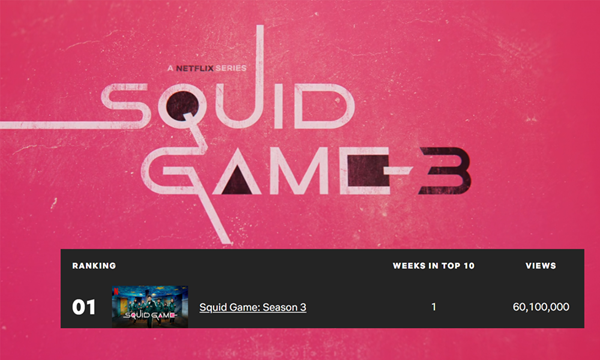
With fresh, inventive games and a second
coming for childhood tunes, Squid Game Season 3 has captured the imagination of viewers once
more. What began as a Korean commentary on society has become a global cultural
movement – proof that well‑crafted
nostalgia, combined with compelling storytelling, transcends boundaries.
 Free Shipping Over
 Ships From Korea


 전체 카테고리
 Trending Searches 🔥


 ARAB EMIRATES
 AUSTRALIA
 BELGIUM
 BRAZIL
 CANADA
 DENMARK
 FINLAND
 FRANCE
 GERMANY
 GREECE
 HONG KONG
 IRELAND
 ITALY
 JAPAN
 MACAO
 MALAYSIA
 MEXICO
 MONACO
 NETHERLANDS
 NEW ZEALAND
 NORWAY
 PHILIPPINES
 QATAR
 RUSSIAN
 SAUDI ARABIA
 SINGAPORE
 SWEDEN
 SWITZERLAND
 TAIWAN
 THAILAND
 UNITED KINGDOM
 VIET NAM


