
Korean personal color analysis—also known as seasonal tone diagnosis—has become one of the most influential beauty trends in Korea, shaping everything from makeup shades to fashion choices. Unlike simple online quizzes, Korean color analysis is rooted in color theory, optical science, and contrast evaluation. Whether you’re curious about your undertone or trying to build a smarter makeup routine, understanding your season can transform the way you shop for K-beauty.
In this magazine, we break down the science behind Korean-style personal color diagnosis, how to identify your own season, and why beauty lovers visiting Korea should try an in-person test during their trip.
1. The Science Behind Korea’s Personal Color System
©Ocollor
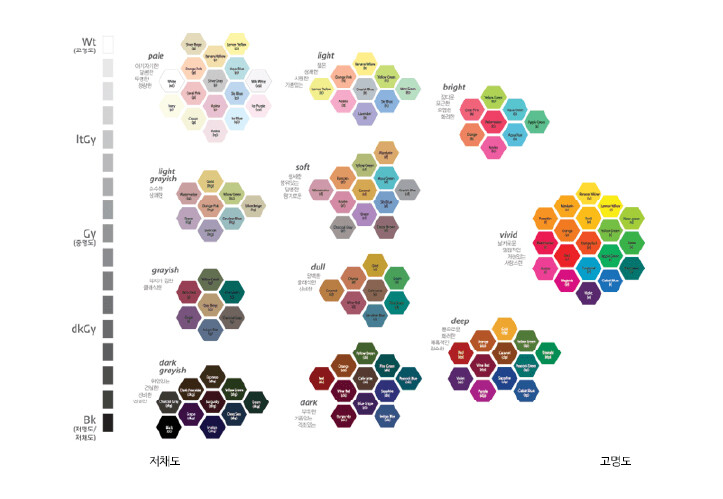
Korea’s approach to personal color blends colorimetry, skin optical reflection, and tone contrast analysis. Specialists examine how your skin reacts to different wavelengths of light when exposed to color drapes. Unlike Western systems that rely mostly on undertones, Korea emphasizes:
-
Brightness level (Light vs. Deep)
-
Temperature (Warm vs. Cool)
-
Saturation (Clear vs. Muted)
-
Contrast between skin, eyes, and hair
This leads to the four core categories—Spring Warm, Summer Cool, Autumn Warm, Winter Cool—and their subtypes like Light Summer, Bright Spring, Deep Autumn, or Cool Winter.
This method becomes especially impactful in K-beauty because shades vary finely in undertone, saturation, and transparency—making color matching more precise than ever.
How to Identify Your Season: At-Home Tips
©King Power
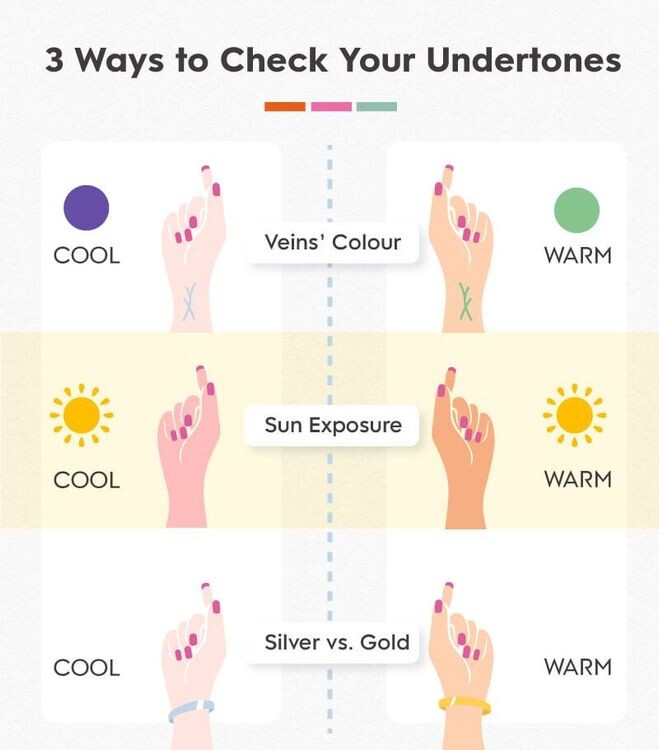
While professional draping gives the most accurate results, you can still analyze your tone using simple at-home cues:
Warm vs. Cool Undertone
-
Warm: green veins, gold jewelry looks best, skin appears peach/yellow under sunlight
-
Cool: blue/purple veins, silver suits you better, skin looks pink/rose under natural light
Brightness Check
-
Light types: low contrast between hair, eyes, and skin
-
Deep types: strong contrast, darker hair and defined features
Saturation Test
These tests won’t replace a professional studio diagnosis, but they can help you narrow down your possibilities before a full analysis.
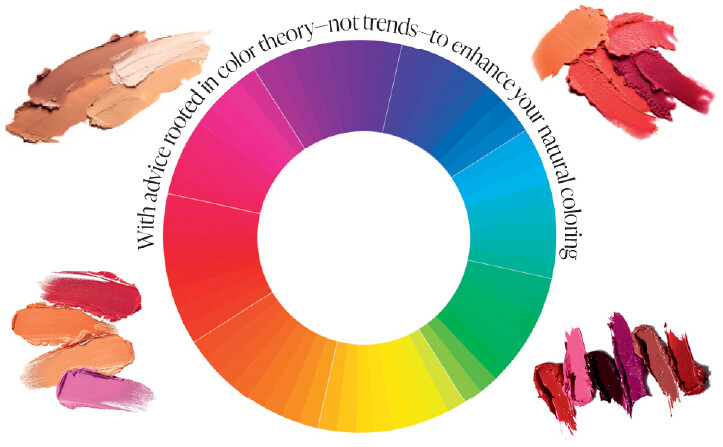
3. Makeup Shades for Each Korean Personal Color Season
©Personal Color: The Definitive Guide to Finding and Wearing Your Best Color, Anuschka Rees
🌸 Spring Warm (Bright & Fresh)
Best shades: coral, peach, warm pink, rose gold
K-beauty picks: warm-toned glossy tints, coral cushions, yellow-gold shimmer
☀️ Summer Cool (Soft & Airy)
Best shades: rosy mauve, lavender, cool pink, soft taupe
K-beauty picks: MLBB tones, cool-toned lip tints, silvery highlighters
🍁 Autumn Warm (Deep & Earthy)
Best shades: brick, terracotta, warm brown, olive, muted orange
K-beauty picks: matte textures, earthy palettes, warm beige cushions
❄️ Winter Cool (Bold & High-Contrast)
Best shades: fuchsia, ruby red, plum, icy pink, bluish undertones
K-beauty picks: high-shine glosses, deep berry tints, bold cool palettes
4. Why You Should Get a Personal Color Test in Korea
©Kwakyoongy
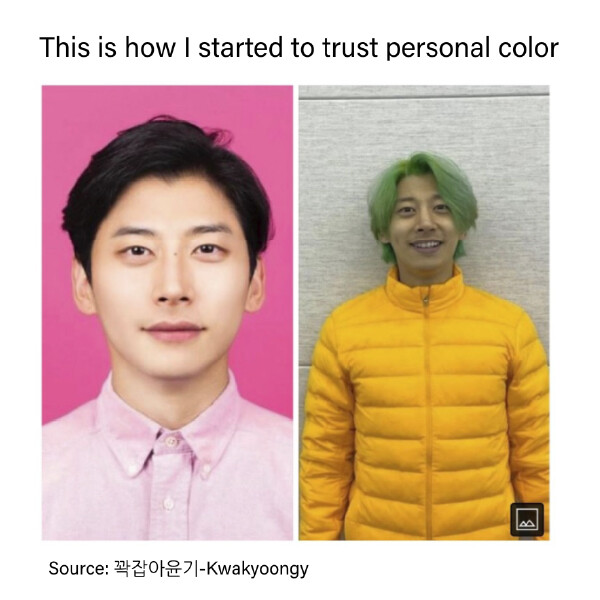
If you’re traveling to Korea, booking a professional personal color analysis is one of the most unique—and surprisingly transformative—beauty experiences you can add to your itinerary.
Korea is home to some of the most advanced personal color studios in the world. These labs go far beyond simple fabric swatches and offer a data-driven, hyper-detailed approach to finding your perfect palette.
What you get during a Korean in-person diagnosis:
-
100+ color drape analysis
-
Brightness, depth, and contrast evaluation
-
Undertone & saturation mapping
-
A full digital report of your personal season
-
Customized K-beauty product recommendations
Many international visitors say it's just as memorable as a café-hopping day or a K-pop tour—and you can immediately shop your perfect shades at Olive Young or department stores right after your session.
5. Final Thoughts: Know Your Tone, Shop Smarter
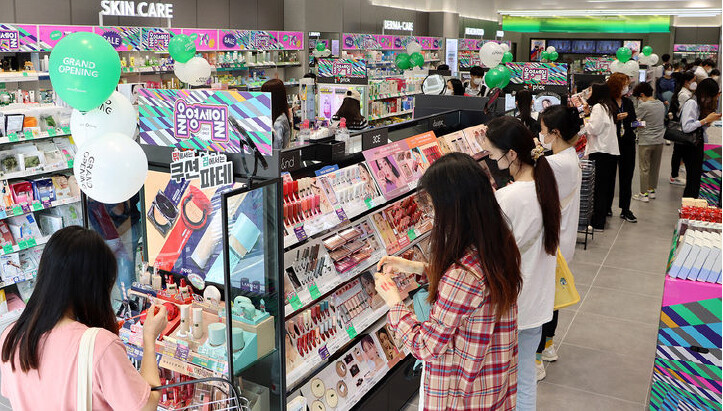
©Youthdaily
Korean personal color analysis is more than a viral trend—it’s a practical tool that helps you choose makeup and fashion that truly enhance your features. Whether you explore your season at home or try a full draping session while visiting Korea, understanding your color palette makes K-beauty shopping more fun, efficient, and personalized.
Next time you pick a lip tint, cushion, or blush, choose with confidence—because when you know your season, everything starts to click.
 Free Shipping Over
 Ships From Korea


 전체 카테고리
 Trending Searches 🔥


 ARAB EMIRATES
 AUSTRALIA
 BELGIUM
 BRAZIL
 CANADA
 DENMARK
 FINLAND
 FRANCE
 GERMANY
 GREECE
 HONG KONG
 IRELAND
 ITALY
 JAPAN
 MACAO
 MALAYSIA
 MEXICO
 MONACO
 NETHERLANDS
 NEW ZEALAND
 NORWAY
 PHILIPPINES
 QATAR
 RUSSIAN
 SAUDI ARABIA
 SINGAPORE
 SWEDEN
 SWITZERLAND
 TAIWAN
 THAILAND
 UNITED KINGDOM
 VIET NAM


