
© Naver
Today, December 22, Korean people celebrate
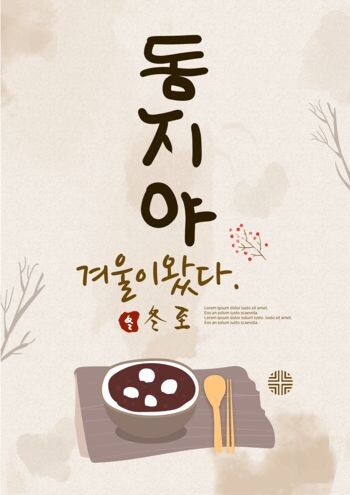
Dongji, the Winter Solstice, a meaningful seasonal turning point that has been
observed in Korea for centuries. While Dongji marks the shortest
day and the longest night of the year, it is not associated with darkness or
misfortune. Instead, it symbolizes rebirth, protection, and the quiet promise
of brighter days ahead. One of the most fascinating aspects of Dongji for
foreigners interested in Korean culture is how deeply food – especially red
bean–based dishes – is woven into this tradition.
What
Is Dongji and How Do Koreans Celebrate It?
Dongji (冬至)
literally means “the arrival of winter’s peak.” In traditional Korean culture,
it was considered almost as important as the Lunar New Year. From this day
onward, daylight slowly begins to increase, which is why Dongji was seen as the
start of a new cycle.
© HiDoc News
Traditionally, Korean families prepared
special foods, offered them to ancestors and household deities, and shared them
with neighbors. The color red played a central role, as it was believed to ward
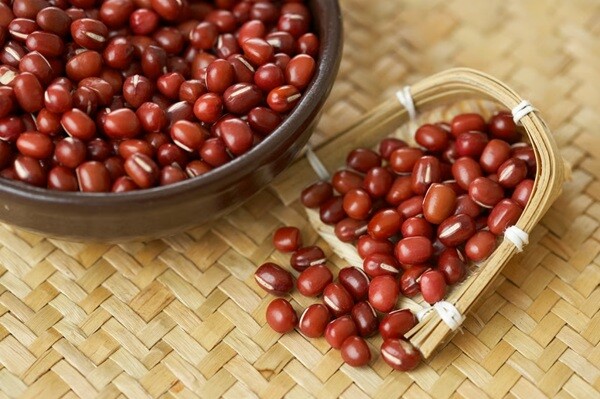
off bad spirits and invite positive forces into the home. Because red beans naturally carry this powerful red symbolism, they became the key ingredient in Dongji foods meant to protect the household. Even today, many
Koreans maintain at least one Dongji custom – most commonly eating patjuk, red
bean porridge.
© Pinterest
What
Is Patjuk?
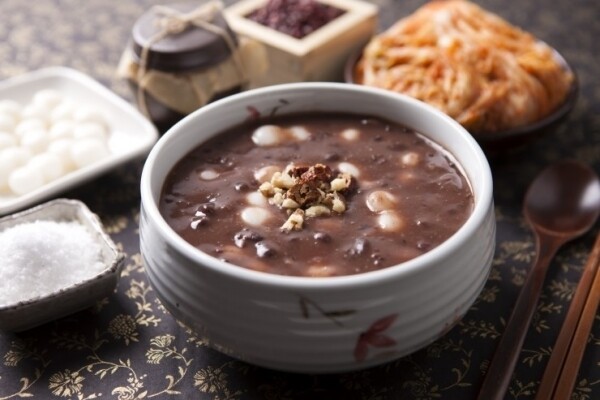
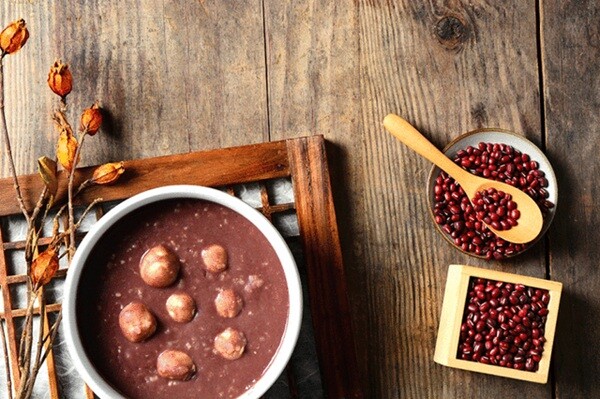
Patjuk (팥죽) is a
warm porridge made from red beans and rice or glutinous rice flour. It has a
deep reddish-brown color and a slightly sweet, earthy flavor. Depending on the
region and household, patjuk may include small rice balls called saealsim,
which symbolize coins or eggs and represent good fortune.
© Naver
Historically, patjuk was eaten on Dongji to
protect the household from evil spirits and illness. Families would sometimes
sprinkle the porridge around the house – by doors, kitchens, or storage areas –
before eating it themselves. For foreigners exploring Korean food culture,
patjuk is a perfect example of how symbolism, seasonality, and everyday meals
intersect in Korean traditions.
This
Year’s Special Variation: Aedongji
© Daum
Not every Dongji is celebrated in exactly
the same way. According to the lunar calendar, Dongji is traditionally divided
into three types. This year’s Dongji is Aedongji (애동지),
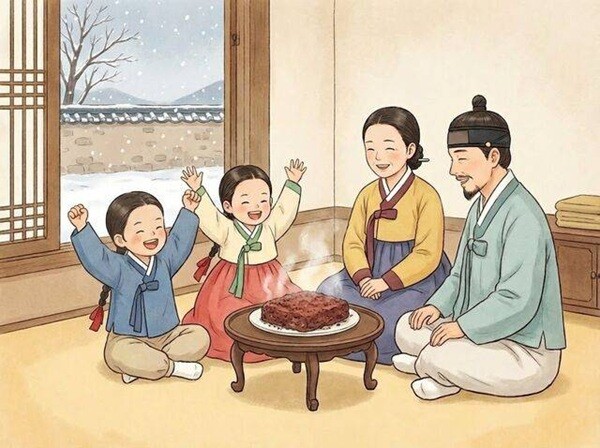
meaning Dongji that falls early in the 11th lunar month. In Korean folk tradition, Aedongji is
closely associated with children. Because of this, there was a long-standing
belief that eating patjuk – strongly linked with warding off death – was not
ideal for children on this particular Dongji. Instead, families prepared a
gentler alternative: pat-sirutteok. For those interested in experiencing Dongji
“the traditional way” this year, eating pat-sirutteok instead of patjuk is
considered especially meaningful this year.
What
Is Pat-Sirutteok?

© ddock
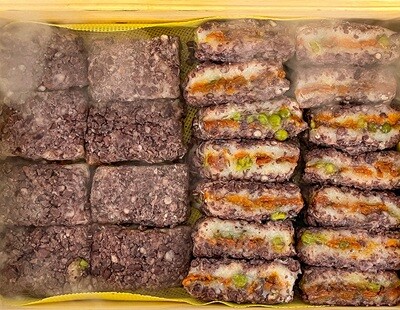
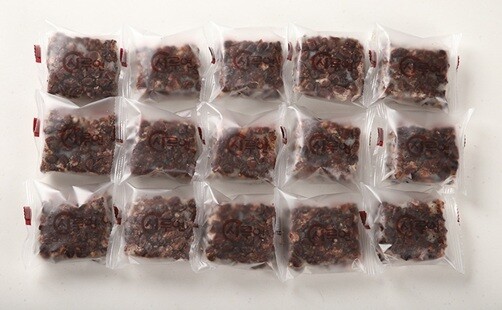
Pat-sirutteok (팥시루떡)
is a layered steamed rice cake made with white rice flour and red bean paste or
crumbled red beans. It is cooked in a siru (traditional steamer), resulting in
soft, slightly chewy layers with a subtle sweetness.
Unlike patjuk, which feels hearty and
filling, pat-sirutteok is lighter and often shared in small pieces.
Traditionally, it was offered to household gods and ancestors before being
eaten by family members. The red beans still serve their symbolic purpose – protection
and good fortune – while the rice cake form makes it suitable for all ages.
© 8dogam
Whether you choose a warm bowl of red bean
porridge or a few slices of layered rice cake, the spirit of Dongji remains the
same: wishing for protection, health, and a brighter season ahead.
Enjoying
Dongji in Modern Korea
In modern Korea, celebrating Dongji has
become much more accessible – especially for foreigners who may not be
confident in the kitchen. These days, you don’t need to cook patjuk or
pat-sirutteok yourself to participate in the tradition. Convenience stores,
bakeries, rice cake shops (tteokjip), and even cafés often sell Dongji-themed
items in December. Many Korean restaurants also offer patjuk as a seasonal menu
item, sometimes with a modern twist.

© Bibibgo © Ottogi © Pulmuone
© Gmarket
For foreigners interested in Korea, Dongji can
become a delicious and meaningful way to experience Korean traditions through
food. By enjoying patjuk or pat-sirutteok on this special day, you’re not just
tasting a seasonal dish, but taking part in a centuries-old ritual that
reflects Korean values of protection, care, and togetherness.
 Free Shipping Over
 Ships From Korea


 전체 카테고리
 Trending Searches 🔥


 ARAB EMIRATES
 AUSTRALIA
 BELGIUM
 BRAZIL
 CANADA
 DENMARK
 FINLAND
 FRANCE
 GERMANY
 GREECE
 HONG KONG
 IRELAND
 ITALY
 JAPAN
 MACAO
 MALAYSIA
 MEXICO
 MONACO
 NETHERLANDS
 NEW ZEALAND
 NORWAY
 PHILIPPINES
 QATAR
 RUSSIAN
 SAUDI ARABIA
 SINGAPORE
 SWEDEN
 SWITZERLAND
 TAIWAN
 THAILAND
 UNITED KINGDOM
 VIET NAM


