
In Korea, food trends move at lightning speed. Just a few months ago, social media was flooded with videos of “Dubai chewy cookies” — rich chocolate cookies stuffed with pistachio cream and crispy kadayif pastry. But as quickly as that dessert craze arrived, a new trend has taken its place.
Now, the spotlight has shifted to something much simpler — Bomdong Bibimbap, a humble bowl of rice mixed with fresh spring cabbage. Across social media, cooking platforms, and even grocery markets, this seasonal dish has become Korea’s latest viral food sensation.
1. What Is Bomdong? Korea’s Sweet Spring Cabbage
© Gettyimagesbank
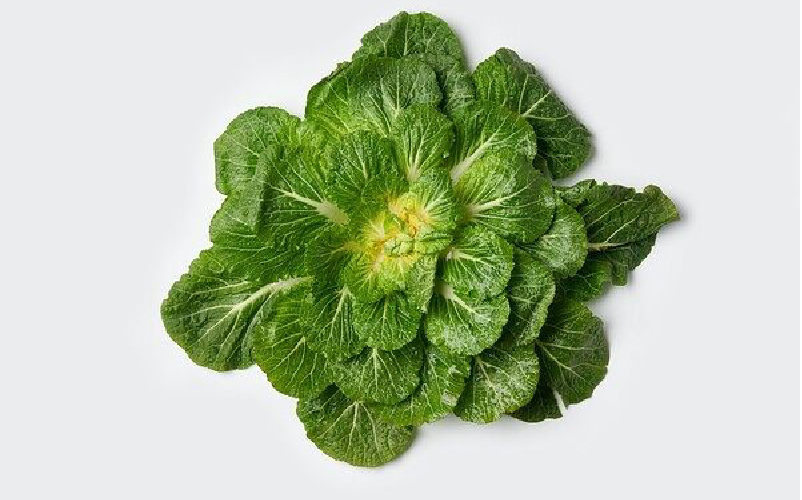
At the heart of the trend is bomdong, a special variety of cabbage harvested in early spring. Unlike regular napa cabbage, bomdong grows flat against the ground and develops sweet, crunchy leaves as it survives the cold winter months.
Because it is typically harvested between January and March, the vegetable is considered one of Korea’s most beloved seasonal spring ingredients. Its crisp texture and natural sweetness make it ideal for salads, kimchi, and — most recently — bibimbap.
For many Koreans, bomdong represents the first fresh taste of spring after the long winter.
2. The Viral Shift: From Sweet Desserts to Fresh Greens
© Naumuwiki
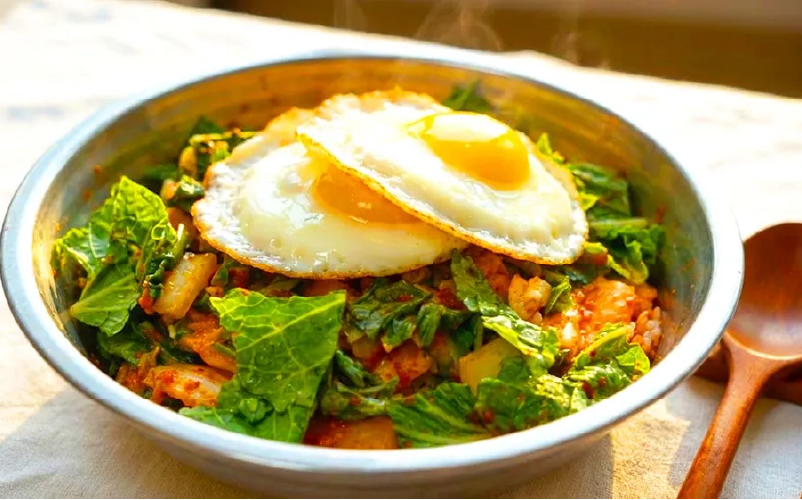
The rise of bomdong bibimbap marks a noticeable shift in Korea’s viral food culture. After months dominated by sugary desserts like Dubai chewy cookies, many consumers are turning toward lighter, healthier meals made with seasonal ingredients.
This change reflects a broader trend in Korean food culture — balancing indulgent treats with fresh, nutritious dishes that highlight local produce.
Social media has played a major role in this shift. Platforms like YouTube, Instagram, and Shorts are now filled with videos of people mixing bowls of bomdong bibimbap at home, showing how easy the dish is to make.
3. The Unexpected Origin: A 2008 TV Moment

© youtube @KBSEnt
Interestingly, the trend didn’t begin with a new celebrity chef or a trendy restaurant. Instead, it started with a throwback clip from a 2008 episode of the KBS variety show 2 Days & 1 Night.
In the scene, broadcaster Kang Ho-dong enthusiastically eats a simple bowl of bomdong bibimbap during a countryside trip. The clip recently resurfaced online and quickly went viral, sparking curiosity among younger viewers who had never seen the dish before.
Soon after, fans began recreating the dish themselves, turning the nostalgic TV moment into a full-blown food trend.
4. A Simple Recipe That Anyone Can Make
© Tstory @alsrod1641nt
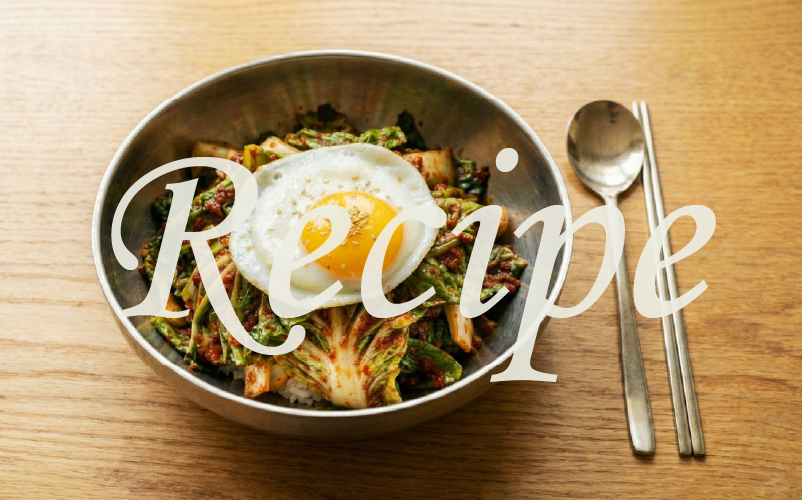
Part of the reason for the dish’s popularity is its simplicity. Unlike traditional bibimbap, which often includes multiple vegetables, meat, and toppings, bomdong bibimbap focuses on just a few ingredients.
Typical preparation includes:
- Bomdong (Spring Cabbage): 1 head (approx. 500g)
- Cooked Rice: 2 servings (approx. 400g)
- Gochujang (Korean chili paste)
- Red Chili Powder: 4 tbsp
- Soy Sauce: 4 tbsp
- Sesame Oil: 2 tbsp + 2 tbsp
- Salt: 1 pinch
- Sugar: 1/4 tbsp
- Eggs: 2 units
- Roasted Sesame Seeds: 1 tbsp
The cabbage is lightly blanched or seasoned before being mixed with rice and sauce. The result is a bowl that highlights the vegetable’s natural flavor — slightly sweet, fresh, and crisp.
Because it’s quick to prepare and affordable, the dish has become especially popular among young home cooks and students.
5. The Economic Effect: Rising Demand for Bomdong
© Joongang
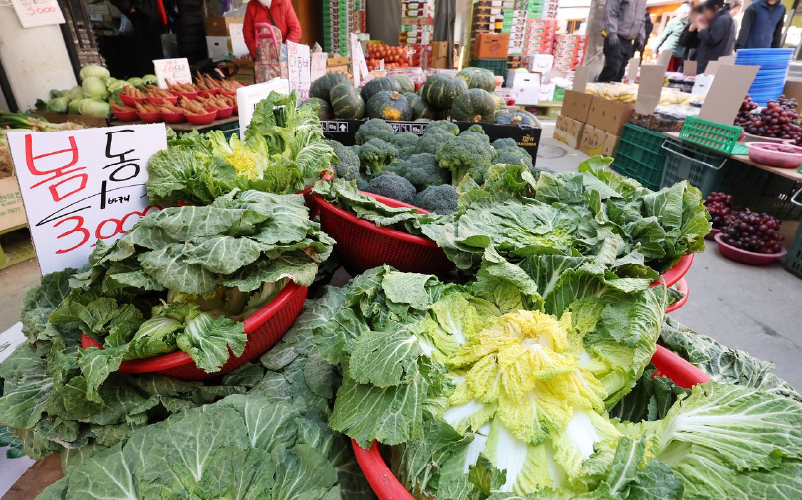
The viral trend is already affecting the agricultural market. As demand for bomdong increases, prices for the vegetable have surged in wholesale markets across Korea.
According to the Korea Agro-Fisheries & Food Trade Corporation, the wholesale price for a 15-kilogram box of bomdong rose by more than 30% within a month, reflecting the sudden spike in popularity.
Retail sales of spring greens are also rising as more consumers look for ingredients to recreate the dish at home.
This demonstrates how quickly viral food trends in Korea can influence both consumer behavior and agricultural demand.
6. Why Seasonal Korean Food Keeps Going Viral

Bomdong bibimbap also reflects a deeper aspect of Korean food culture: the importance of seasonality.
Traditional Korean cuisine emphasizes ingredients that are freshest at a particular time of year — whether it’s spring greens, summer cold noodles, autumn mushrooms, or winter kimchi.
Bibimbap itself is one of Korea’s most iconic dishes — a bowl of rice mixed with vegetables, sauce, and other toppings that symbolize harmony and balance in Korean cooking.
By highlighting a single seasonal ingredient, bomdong bibimbap captures both simplicity and tradition, making it perfect for modern social media storytelling.
Final Spoon: A Bowl That Defines Spring

© Coupang play
From indulgent viral desserts to fresh seasonal greens, Korea’s food trends are constantly evolving. The sudden rise of bomdong bibimbap proves that sometimes the next big trend isn’t complicated or luxurious — it’s simply a bowl of rice, cabbage, and the taste of spring.
As more people discover the dish through social media and cooking videos, bomdong bibimbap is quickly becoming the flavor that defines Korea’s spring 2026 food scene.
 Free Shipping Over
 Ships From Korea


 전체 카테고리
 Trending Searches 🔥


 ARAB EMIRATES
 AUSTRALIA
 BELGIUM
 BRAZIL
 CANADA
 DENMARK
 FINLAND
 FRANCE
 GERMANY
 GREECE
 HONG KONG
 IRELAND
 ITALY
 JAPAN
 MACAO
 MALAYSIA
 MEXICO
 MONACO
 NETHERLANDS
 NEW ZEALAND
 NORWAY
 PHILIPPINES
 QATAR
 RUSSIAN
 SAUDI ARABIA
 SINGAPORE
 SWEDEN
 SWITZERLAND
 TAIWAN
 THAILAND
 UNITED KINGDOM
 VIET NAM


