
Imagine flying to South Korea, taking a train to another city, and then getting into a taxi—not to reach a hotel or a tourist attraction, but to spend an entire afternoon searching for the perfect loaf of bread.
It may sound unusual, but that is exactly what is happening in Daejeon, a city often called Korea's "bread capital."
The attraction isn't just its famous bakeries. It's something even more unexpected: the Bread Taxi, a unique taxi tour that has transformed bakery hopping into one of Korea's most talked-about travel experiences.
A Taxi Designed for Bread Lovers
© Hankookilbo
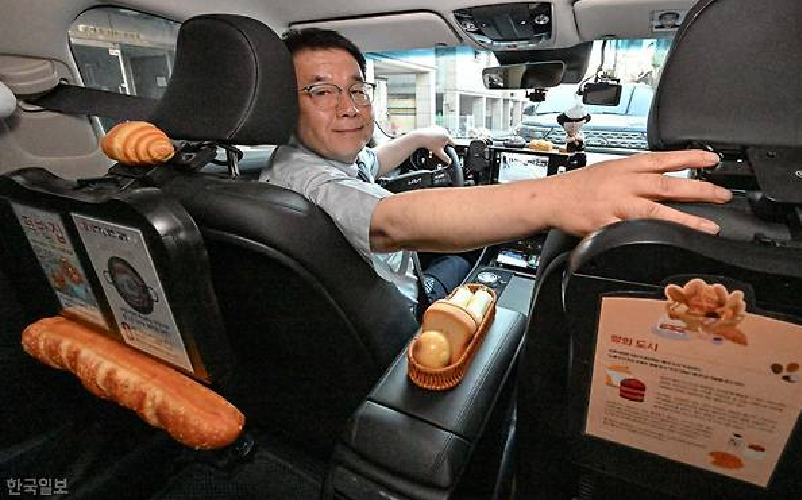
Unlike an ordinary taxi, Daejeon's Bread Taxi isn't about getting from one place to another. It's a guided culinary tour.
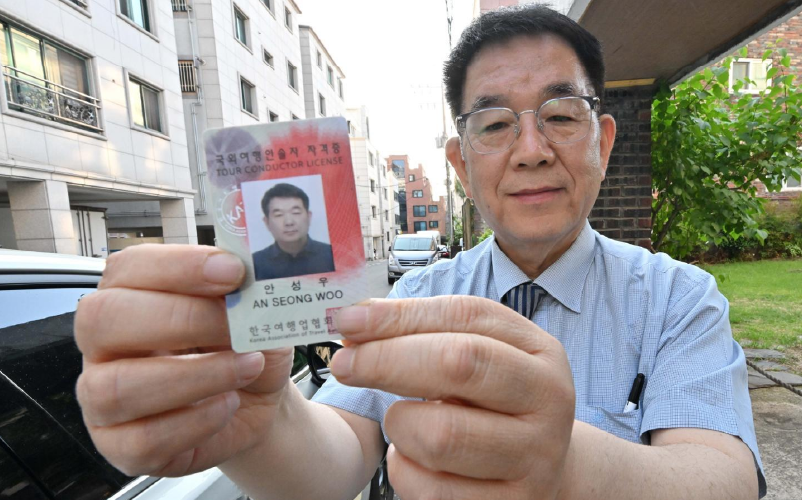
Created by taxi driver Ahn Sung-woo, the service takes visitors to some of the city's most beloved bakeries while eliminating one of the biggest challenges of bakery tourism: knowing where to go, what to buy, and how to avoid long lines.
Passengers receive recommendations for signature breads, learn the best time to visit each bakery, get tips on storing pastries, and even enjoy bread inside the taxi using foldable tray tables inspired by airline seating.
Inside the vehicle, bread-themed decorations, guidebooks, tasting supplies, and carefully planned routes make the experience feel less like transportation and more like a private food tour.
Why Daejeon?
© DJTO
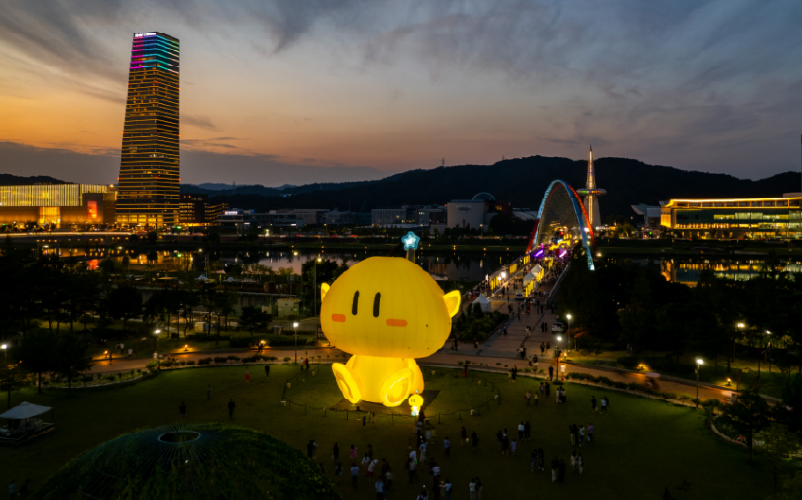
For many years, Daejeon was known internationally for science and technology, home to institutions like KAIST.
Today, however, many Korean travelers immediately associate the city with one name: Sungsimdang.
Founded in 1956, Sungsimdang has grown into one of Korea's most famous bakeries, attracting visitors from across the country. Long queues outside its stores have become a familiar sight, especially on weekends.
As more travelers began visiting Daejeon specifically for bread, an entirely new tourism culture emerged. People were no longer stopping by a bakery during a trip—they were planning trips because of the bakery.
That phenomenon eventually became known as "bread pilgrimage."
Korea's Bread Pilgrimage Culture
© Daejeon Metropolitan City
In Korean, people often use the expression "bbangji sunrye" (bread pilgrimage).
The word "pilgrimage" is usually associated with religion, but in modern Korea it has taken on a playful meaning. It describes traveling long distances to visit places considered exceptional in one specific category—whether that is coffee, desserts, ramen, or, in this case, bread.
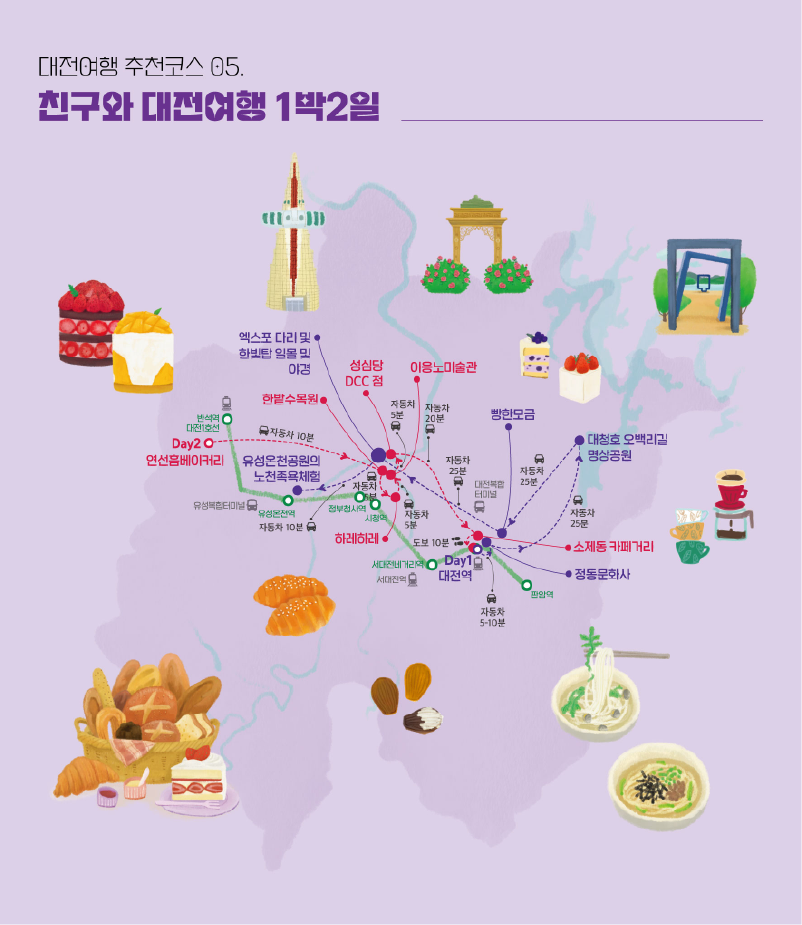
Many travelers board high-speed KTX trains for a day trip, purchase boxes of pastries, and return home the very same evening.
To outsiders, that might seem excessive.
To many Koreans, it is simply another way of enjoying food, discovering local businesses, and creating memorable experiences.
The Bread Taxi was born from this culture rather than creating it.
More Than Transportation

© Youtube @champd
What makes the Bread Taxi fascinating is that it reflects a much bigger shift in Korean tourism.
Modern travelers increasingly value experiences over convenience.
They do not simply want to buy bread.
They want to hear the stories behind each bakery, discover hidden local favorites, understand which pastries sell out first, and feel as though they have experienced the city through the eyes of someone who knows it intimately.
Driver Ahn Sung-woo carefully plans every route, monitors bakery baking schedules, recommends the freshest items, and even helps visitors avoid unnecessary waiting.
His role is closer to that of a local guide than a taxi driver.
A Story of Second Chances
© Hankookilbo
The Bread Taxi also has a deeply personal story behind it.
Before becoming known for bakery tours, Ahn experienced business failures and serious health problems, including life-threatening heart disease.
Even after his first attempt at operating the Bread Taxi faced legal obstacles, he continued offering tours free of charge to honor existing reservations, paying fuel and operating costs himself.
Eventually, Daejeon's premium taxi system allowed the service to operate legally, turning what had once been an uncertain personal project into one of the city's most recognizable tourism experiences.
Today, reservations often fill months in advance.
More Than Just a Bread Taxi

© Instagram @daejeon_bbangtour
At first glance, the Bread Taxi might seem like a clever tourism idea built around one of Daejeon's most famous attractions.
In reality, it represents something much bigger.
It reflects a uniquely Korean style of travel—one that values memorable experiences over simply checking famous landmarks off a list. Across Korea, people often plan entire trips around a single passion, whether it's cherry blossoms, seasonal cafés, or a legendary bakery. The destination matters, but the experience matters even more.
That is exactly why the Bread Taxi has resonated with so many visitors. It transforms a simple bakery visit into a story worth sharing, combining local knowledge, personal hospitality, and the city's growing identity as Korea's bread capital.
Its success has even inspired new ideas. Daejeon has recently introduced the "Bbangtican Pilgrimage Bus," a dedicated sightseeing bus that connects visitors to the city's most popular bakeries and bread-themed attractions. Together with the Bread Taxi, it shows how a local food culture has grown into a unique tourism ecosystem—one where bread isn't just something you eat, but a reason to explore an entire city.
For many travelers, Daejeon begins with a loaf of bread.
But it ends with a new understanding of how Korea turns everyday experiences into unforgettable journeys.
 Free Shipping Over
 Ships From Korea


 전체 카테고리
 Trending Searches 🔥






 ARAB EMIRATES
 AUSTRALIA
 BELGIUM
 BRAZIL
 CANADA
 DENMARK
 FINLAND
 FRANCE
 GERMANY
 GREECE
 HONG KONG
 IRELAND
 ITALY
 JAPAN
 MACAO
 MALAYSIA
 MEXICO
 MONACO
 NETHERLANDS
 NEW ZEALAND
 NORWAY
 PHILIPPINES
 QATAR
 RUSSIAN
 SAUDI ARABIA
 SINGAPORE
 SWEDEN
 SWITZERLAND
 TAIWAN
 THAILAND
 UNITED KINGDOM
 VIET NAM


