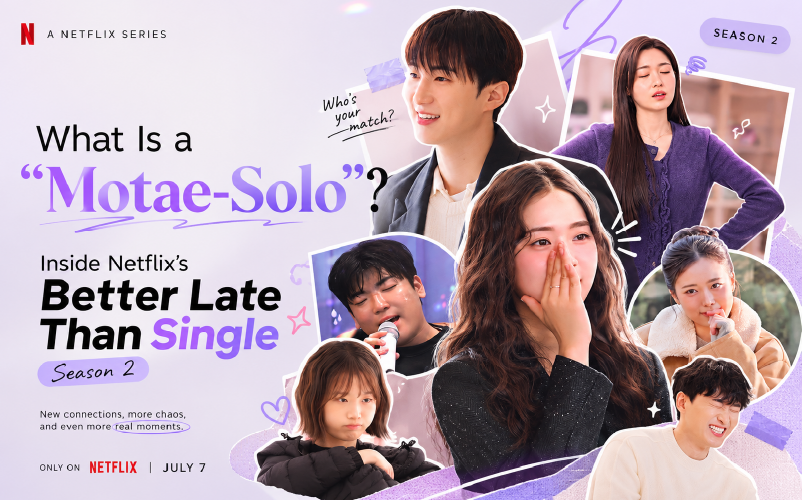
For many international viewers, Netflix's Better Late Than Single looks like another dating reality show.
But in Korea, it explores something much more specific — and surprisingly relatable.
The show follows a group of adults who have never been in a romantic relationship before. In Korean, they're called "motae-solos" (모태솔로), a term that literally translates to "born single."
It's a uniquely Korean expression, but behind it lies a universal story about confidence, vulnerability, and the fear of falling behind in love.
With the release of Season 2, the series has once again sparked conversations—not just about dating, but about how modern society views relationships and adulthood. The second season premiered on Netflix on July 7, 2026, continuing the show's distinctive format of helping lifelong singles take their first steps into dating.
What Does "Motae-Solo" Mean?

Unlike the English phrase "never been in a relationship," motae-solo carries a stronger cultural meaning in Korea.
It describes someone who has never experienced dating since birth.
The word itself combines:
-
Motae (모태) – "from birth"
-
Solo (솔로) – single
While the term is often used jokingly among friends, it can also carry emotional weight.
In a society where dating is commonly seen as an important life experience before marriage, being a motae-solo can sometimes make people feel left behind—even when they're successful in other areas of life.
That's exactly why the concept immediately stands out to international viewers.
A Dating Show Unlike Any Other
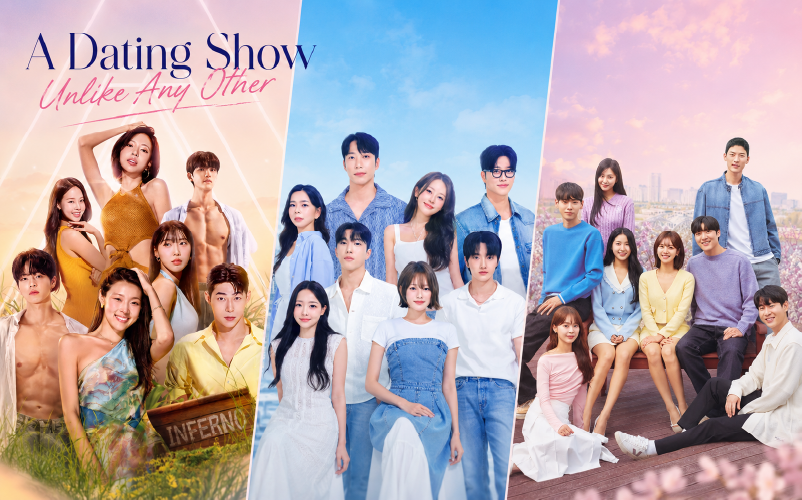
Most dating reality shows are built around confident contestants, glamorous settings, and strategic romance.
Better Late Than Single takes the opposite approach.
Its participants aren't experienced at flirting.
Many have never confessed their feelings.
Some have never held someone's hand.
Others struggle to make eye contact during a first conversation.
Before entering the show's "Solo Village," participants receive coaching in communication, confidence, personal style, and emotional expression—not because the show wants to change who they are, but because many simply never had the opportunity to learn these social experiences. Netflix itself describes the series as helping lifelong singles build confidence in style, health, and relationships before taking their first steps into dating.
The result is refreshingly awkward.
And that's exactly what audiences love.
More Than Romance
© Swoon
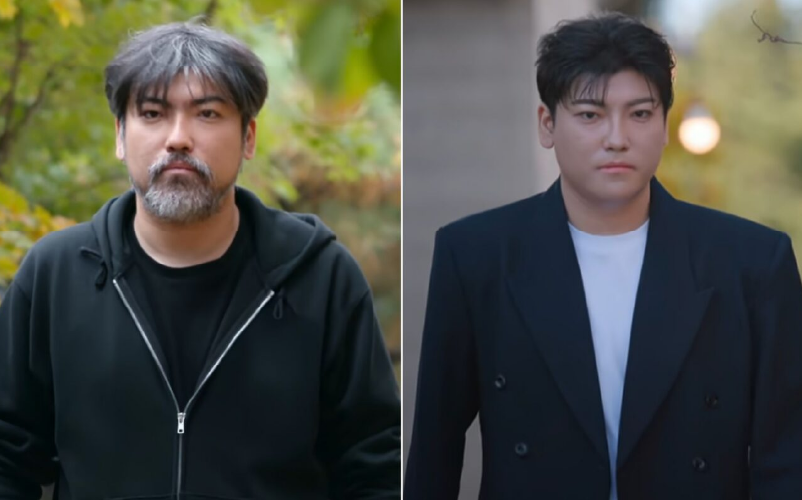
At first glance, Better Late Than Single seems like another makeover reality show.
Participants receive new hairstyles, fashion advice, and coaching before entering the dating experience.
But the real transformation isn't physical.
It's emotional.
The series asks a simple question:
What happens when someone who's spent their entire life believing they're "bad at dating" finally gets a chance to start?
The makeovers simply help participants feel more comfortable presenting themselves.
The real challenge is learning to trust others—and themselves.
Why the Show Is Resonating Beyond Korea

Korean dating reality shows have become increasingly popular around the world.
Programs like Single's Inferno captured audiences with attractive contestants, luxurious settings, and dramatic romance.
Better Late Than Single succeeds by offering something completely different.
Instead of polished confidence, it offers vulnerability.
Instead of perfectly planned flirting, it shows honest mistakes.
Instead of idealized romance, it focuses on personal growth.
That shift has helped the series stand out in Netflix's growing lineup of Korean unscripted content. Critics have described it as a refreshing alternative to traditional dating shows because it prioritizes authenticity over competition.
Final Thoughts
© NetflixKorea
A motae-solo isn't simply someone who's never dated.
It's someone carrying years of hesitation, insecurity, hope, and curiosity about something many people take for granted.
Better Late Than Single transforms that experience into more than entertainment.
It becomes a story about courage.
Season 2 reminds us that there is no "right" timeline for love. Whether you're twenty-two or thirty-two, everyone's first relationship begins the same way—with uncertainty, vulnerability, and the willingness to take one small step forward.
And perhaps that's why audiences around the world are connecting with the show.
Not because it's about finding the perfect partner.
But because it's about finding the courage to begin.
 Free Shipping Over
 Ships From Korea


 전체 카테고리
 Trending Searches 🔥


 ARAB EMIRATES
 AUSTRALIA
 BELGIUM
 BRAZIL
 CANADA
 DENMARK
 FINLAND
 FRANCE
 GERMANY
 GREECE
 HONG KONG
 IRELAND
 ITALY
 JAPAN
 MACAO
 MALAYSIA
 MEXICO
 MONACO
 NETHERLANDS
 NEW ZEALAND
 NORWAY
 PHILIPPINES
 QATAR
 RUSSIAN
 SAUDI ARABIA
 SINGAPORE
 SWEDEN
 SWITZERLAND
 TAIWAN
 THAILAND
 UNITED KINGDOM
 VIET NAM


