Unlike many cuisines that focus on light
salads or cold drinks, Korean cuisine offers an impressive variety of dishes
specifically designed to help people survive the summer. Some are served
ice-cold to refresh your body instantly, while others follow the traditional
belief of "fighting heat with heat" by restoring your energy through
nourishing ingredients.
If you're visiting Korea or simply
exploring Korean food, these seven summer favorites deserve a place on your
must-try list.
In this article
Naengmyeon (Cold Buckwheat Noodles) Kongguksu (Soy Milk Noodles) Chogyeguksu (Cold Chicken Noodles) Mulhoe (Korean Cold Raw Fish Soup) Samgyetang (Ginseng Chicken Soup) Bingsu (Korean Shaved Ice Dessert) Hwachae (Korean Fruit Punch) 1. Naengmyeon (Cold Buckwheat Noodles)
© Food Magazine
No list of Korean summer foods would be
complete without naengmyeon, arguably Korea's most iconic cold noodle dish.
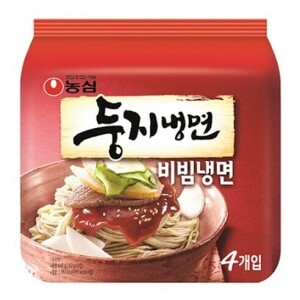
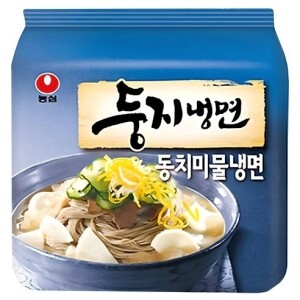
Originally from northern Korea, naengmyeon features chewy buckwheat noodles
served in an icy, tangy beef broth known as mul naengmyeon, or mixed with a
spicy gochujang-based sauce in the popular bibim naengmyeon version.
The broth is often chilled with shaved ice,
making every bite incredibly refreshing on a scorching day. Toppings typically
include sliced beef, cucumber, Korean pear, pickled radish, and half of a
boiled egg. The combination of chewy noodles and icy broth creates a uniquely
satisfying meal that has become a summer tradition throughout Korea.
2. Kongguksu (Soy Milk Noodles)
© Pinterest
If you're looking for something creamy
without being heavy, kongguksu is the perfect choice. This simple yet
nutritious dish consists of wheat noodles served in a chilled broth made from
freshly blended soybeans.
The soup has a naturally rich, nutty flavor
without containing any dairy, making it surprisingly refreshing despite its
creamy texture. Many Koreans enjoy it with just a sprinkle of salt, while
others add sugar depending on regional preferences and personal taste.
Packed with plant-based protein and served
ice cold, kongguksu is both filling and cooling, making it one of the
healthiest Korean summer dishes.
3. Chogyeguksu (Cold Chicken Noodles)
© 8dogam
Chogyeguksu is one of Korea's hidden summer
gems. This refreshing noodle dish combines shredded boiled chicken with thin
wheat noodles in a cold, vinegar-based chicken broth.
Unlike richer noodle soups, chogyeguksu has
a bright, tangy flavor that instantly awakens your appetite, even during the
hottest weather. Fresh cucumber, mustard, sesame seeds, and sometimes sliced
radish add extra crunch and freshness.
Because it's high in lean protein while
remaining light and refreshing, chogyeguksu has become increasingly popular
among health-conscious diners looking for a satisfying summer meal.
4. Mulhoe (Korean Cold Raw Fish Soup)
© Oasis Market
Seafood lovers shouldn't miss mulhoe, one
of Korea's most refreshing coastal specialties. Originating from Korea's
eastern and southern seaside regions, mulhoe combines thinly sliced raw fish
with crisp vegetables in a chilled, spicy, sweet, and tangy broth.
The dish often includes cucumber, lettuce,
onions, seaweed, and ice cubes that keep the broth perfectly cold until the
very last bite. Many restaurants also serve rice or noodles on the side,
allowing you to transform the flavorful broth into an even heartier meal.
Every spoonful delivers a refreshing
balance of seafood, vegetables, and spicy sauce that's perfect after spending
time at the beach or exploring Korea during peak summer.
5. Samgyetang (Ginseng Chicken Soup)
© Welfarehello
At first glance, eating hot soup during the
hottest season might seem surprising. However, samgyetang follows the Korean
tradition of iyeol chiyeol – fighting heat with heat.
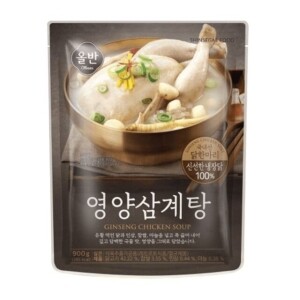
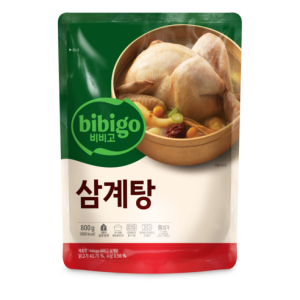
This nourishing dish features a whole young
chicken stuffed with glutinous rice, garlic, jujubes, and fragrant ginseng,
then simmered until incredibly tender. It's traditionally eaten during Sambok,
the three hottest days of the Korean summer.
Rather than cooling you down immediately,
samgyetang is believed to replenish the energy and nutrients lost through
excessive sweating. Many Koreans consider it an essential seasonal meal that
helps maintain stamina throughout the long, humid summer.
6. Bingsu (Korean Shaved Ice Dessert)
© Pinterest
Few Korean desserts are as beloved during
summer as bingsu. While it started as simple shaved ice topped with sweet red
beans, modern bingsu has evolved into an endless variety of colorful creations.
Today's cafés offer everything from mango
and strawberry bingsu to matcha, chocolate, cheesecake, Oreo, and even tiramisu
versions. The finely shaved milk ice creates an incredibly soft, snow-like
texture that melts almost instantly in your mouth.
© Instagram @ _plan_book
Whether shared with friends at a trendy café
or enjoyed after dinner, bingsu has become one of Korea's signature summer
treats and a must-try dessert for visitors.
7. Hwachae (Korean Fruit Punch)
© Pinterest
Bright, colorful, and incredibly
refreshing, hwachae is one of Korea's most visually appealing summer desserts.
This traditional fruit punch combines seasonal fruits such as watermelon,
melon, berries, grapes, or peaches with a lightly sweetened chilled beverage.
Modern versions often use sparkling soda or
fruit-flavored drinks for extra fizz, while traditional recipes feature honey
or flower-infused water. The result is a light, fruity dessert that's both
hydrating and refreshing.
© Tiktok
Thanks to its vibrant appearance and easy
preparation, hwachae has recently become especially popular on social media,
introducing this classic Korean dessert to a whole new generation of food
lovers around the world.
These seven dishes are just the beginning
of Korea's incredible summer food culture. From icy noodle bowls and fresh
seafood to nourishing soups and refreshing desserts, Korean cuisine offers
countless ways to stay energized during the hottest months of the year. If
you're visiting Korea in summer, make sure to add these seasonal specialties to
your food bucket list – you'll quickly discover why they're considered some of
the best Korean foods for beating the summer heat.Lipstick
 Free Shipping Over
 Ships From Korea


 전체 카테고리
 Trending Searches 🔥






 Nongshim
 Nongshim
 Bibigo
 Dongsuh
 Monggo Foods
 Sempio
 OTOKI


