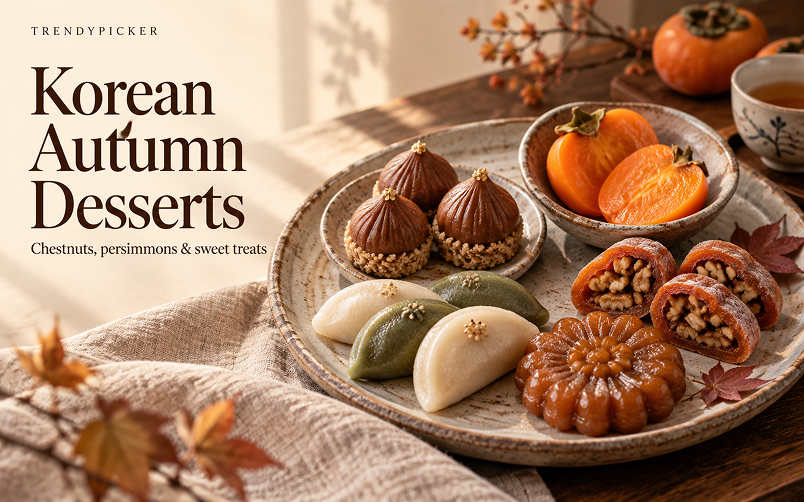
A soft chestnut confection, a spoonful of ripe persimmon, and a small plate of chewy rice cakes: Korean autumn desserts offer plenty of reasons to slow down for something sweet. Chestnuts and persimmons are a natural starting point for exploring the season, while Chuseok brings its own rice-cake traditions to the table.
If you are discovering these flavors for the first time, start with texture. Do you prefer something smooth, chewy, crisp, or rich? This guide introduces five treats through their ingredients and eating experience, with simple tips for choosing your first favorite.
1. Yullan: A Small Sweet with Plenty of Chestnut Flavor
©Youtube @Dalbangatgan
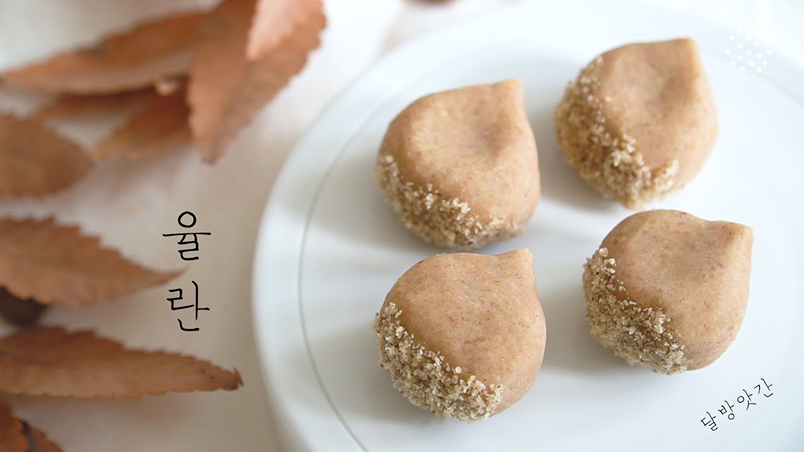
Chestnuts, called bam (밤) in Korean, bring a mellow, nutty sweetness to desserts. One traditional way to enjoy them is yullan (율란), a confection made from cooked chestnuts that are mashed, sweetened, and shaped back into little chestnut-like pieces.
Honey and cinnamon can be added, with a coating of finely ground nuts providing a finishing touch. Despite sometimes being described in English as “chestnut cookies,” yullan is a soft, no-bake confection rather than a crisp baked cookie.
What to expect: A tender bite with a dense, finely mashed texture. The chestnut flavor is the main attraction.
TrendyPicker tip: Choose yullan if you want to explore chestnuts beyond cream cakes and pastries. Try a small piece on its own first, then take a sip of unsweetened tea to see how the flavors change.
2. Hongsi: Ripe Persimmon You Can Eat with a Spoon
©health.chosun DB
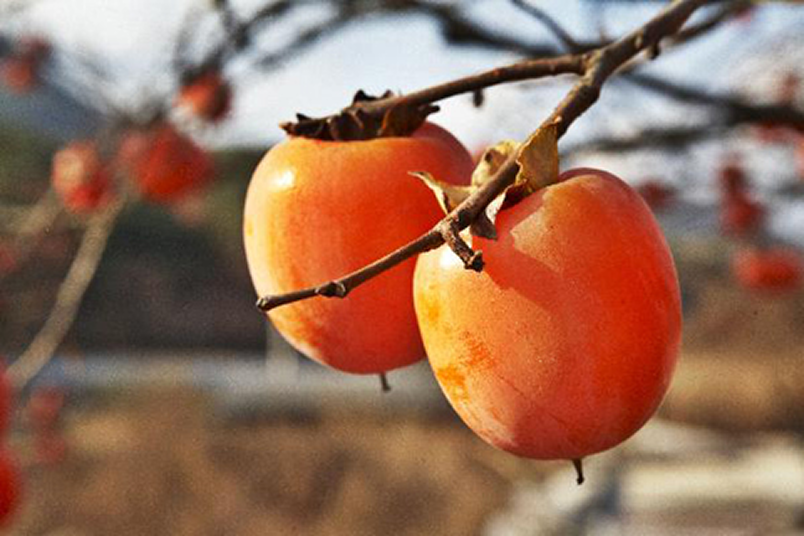
Hongsi (홍시) is a fully softened, ripe persimmon. Its delicate flesh makes the fruit itself feel like dessert, with very little preparation needed. Persimmons are closely associated with Korea’s autumn harvest, and hongsi offers a simple way to taste that seasonal ingredient.
What to expect: A soft, almost jelly-like texture and a rounded, fruity sweetness. It is a different experience from biting into a firm, crisp persimmon.
TrendyPicker tip: Serve it in a small bowl and enjoy the flesh with a spoon. If you are shopping for it, look for the Korean name rather than assuming every orange persimmon has the same texture.
For a dessert spread, hongsi adds color and softness alongside firmer sweets. Keep the presentation simple so the fruit remains the focus.
3. Gotgam: Chewy Dried Persimmons with a Nutty Twist
©Youtube @thespoon2461
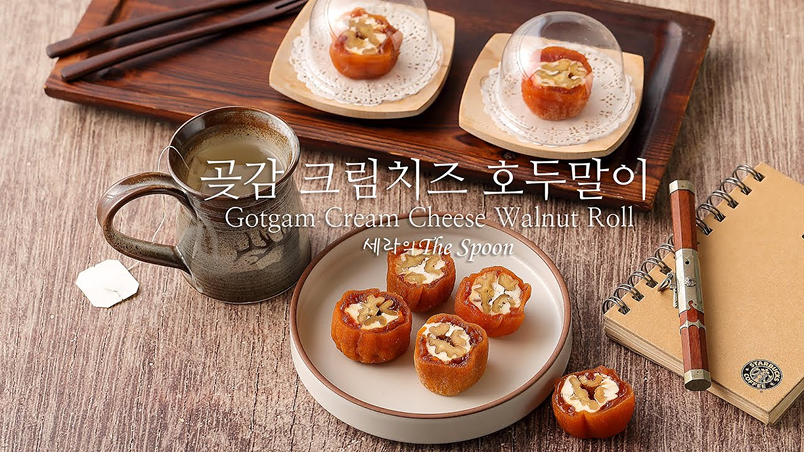
Gotgam (곶감), or dried persimmon, has a concentrated fruity sweetness and a pleasantly chewy texture. It is delicious on its own, but wrapping it around a filling adds another layer of flavor.
A classic combination is gojgammal-i(곶감말이), made with walnuts wrapped in dried persimmon. For a creamy variation, try cream cheese and walnut dried persimmon rolls (크림치즈 호두 곶감말이). Softened dried persimmons are opened and flattened, spread with cream cheese, filled with walnuts, then rolled and sliced into bite-sized rounds.
What to expect: Three contrasting textures in one bite: chewy persimmon, smooth cream cheese, and crunchy walnut. The cheese adds a gentle tang that balances the fruit’s sweetness.
The cream cheese version is a contemporary variation on the fruit-and-nut pairing. Its orange, ivory, and walnut-colored cross-section also makes it a beautiful addition to an autumn dessert plate.
TrendyPicker tip: Chill the roll before slicing to help it hold its shape, then serve in small portions with unsweetened tea. Keep cream-cheese-filled rolls refrigerated and follow the maker’s storage instructions if purchasing them ready-made.
Although dried persimmons begin with an autumn fruit, they can be enjoyed beyond the fresh harvest season.
4. Songpyeon: The Rice Cake of Chuseok
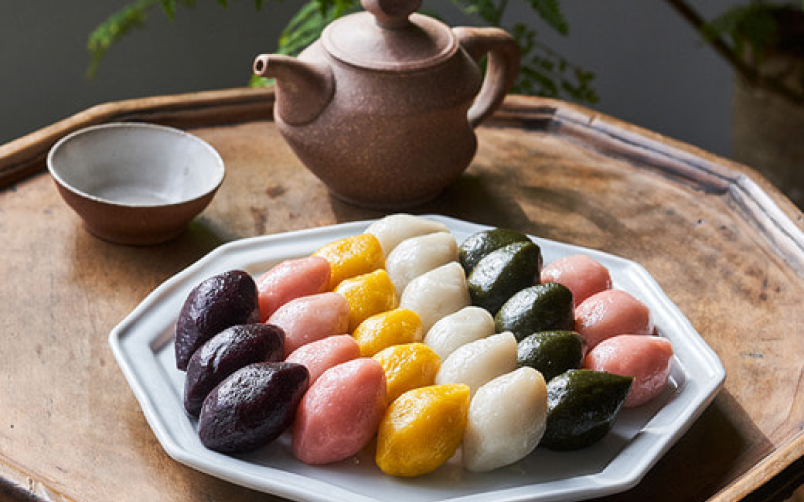
©josunyega
Among Korean autumn desserts, songpyeon (송편) has a particularly strong connection to the harvest holiday. These small, half-moon-shaped rice cakes are associated with Chuseok and traditionally steamed over pine needles.
Fillings vary and may include sesame, beans, or chestnuts. That variety matters: two rice cakes that look similar can offer quite different flavors inside.
What to expect: A pleasantly chewy rice exterior surrounding a filling that may be nutty, sweet, or more subtly flavored.
TrendyPicker tip: Ask which fillings are included before choosing an assortment. If you are trying songpyeon with friends, comparing the different centers is an easy way to discover your preference.
Buy a portion that suits your plans and follow the shop’s guidance on serving and storage, especially when purchasing fresh rice cakes.
5. Yakgwa: A Year-Round Sweet for an Autumn Tea Break
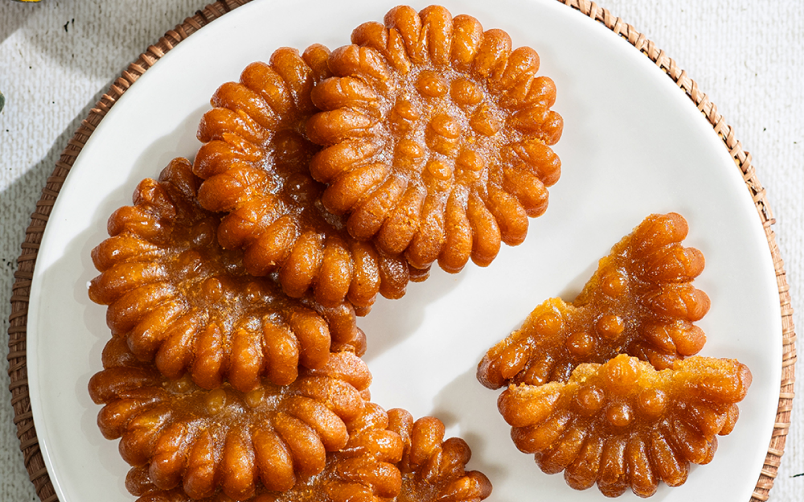
©oasis market
Yakgwa (약과) belongs to the broader family of traditional Korean confections known as hangwa (한과). Made by frying dough and coating or soaking it in honey or syrup, it offers a rich, sweet bite. It is enjoyed throughout the year, making it an accessible companion to seasonal chestnut and persimmon desserts.
What to expect: A syrup-rich texture, with firmness and chewiness varying by maker.
TrendyPicker tip: Start with a small piece and pair it with a drink that is not heavily sweetened. That gives the dessert room to stand out.
How to Choose Your First Korean Autumn Desserts
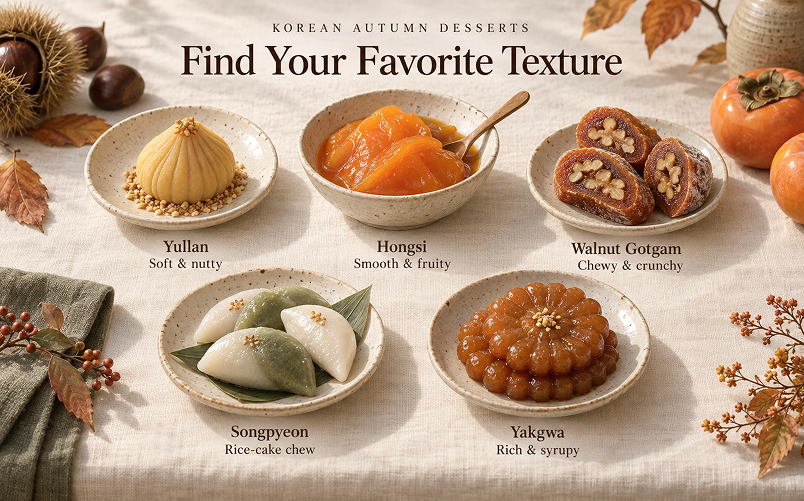
Let your favorite texture guide your selection:
Soft and nutty: Try yullan.
Smooth and fruity: Choose hongsi.
Chewy with crunch: Look for walnut-filled gotgam.
Rice-cake chew: Pick a small songpyeon assortment.
Rich and syrupy: Start with yakgwa.
For readers shopping overseas, save the Korean names to help identify products in grocery stores or online listings. Fresh, frozen, and packaged versions may have different serving instructions, so read the individual label.
 Free Shipping Over
 Ships From Korea


 전체 카테고리
 Trending Searches 🔥


 ARAB EMIRATES
 AUSTRALIA
 BELGIUM
 BRAZIL
 CANADA
 DENMARK
 FINLAND
 FRANCE
 GERMANY
 GREECE
 HONG KONG
 IRELAND
 ITALY
 JAPAN
 MACAO
 MALAYSIA
 MEXICO
 MONACO
 NETHERLANDS
 NEW ZEALAND
 NORWAY
 PHILIPPINES
 QATAR
 RUSSIAN
 SAUDI ARABIA
 SINGAPORE
 SWEDEN
 SWITZERLAND
 TAIWAN
 THAILAND
 UNITED KINGDOM
 VIET NAM


