
A fragrant cup of citrus tea, a toasty barley infusion, or green tea served alongside a small sweet: Korean tea offers many ways to take a break. Some varieties are bright and fruity, while others bring gentle roasted flavors or the warming bite of ginger.
If you enjoyed exploring Korean autumn desserts, choosing a drink to accompany them is a natural next step. You do not need a special tea set or an elaborate routine to begin. Start with a flavor you already enjoy, learn how that particular tea is prepared, and adjust your next cup to taste.
What Counts as Korean Tea?
©Korea Heritage Agency
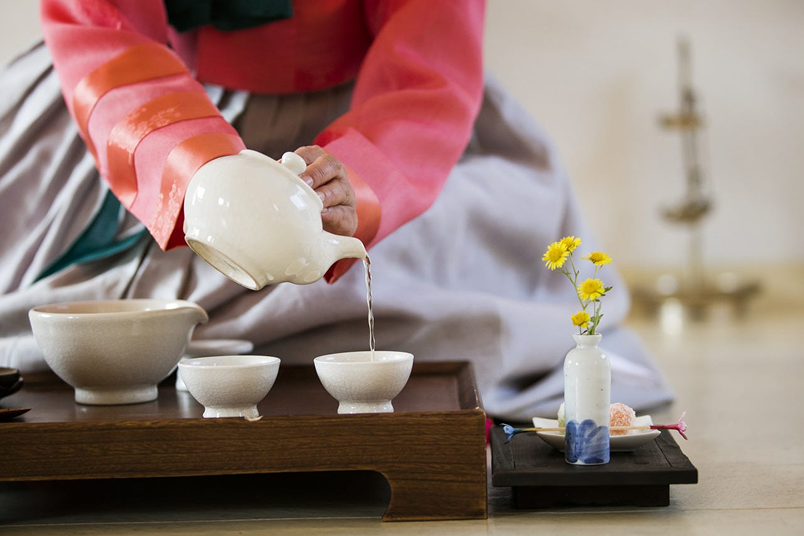
In Korean, cha (차) means tea, but the name covers more than drinks made from tea leaves. Korean tea culture includes leaf teas such as nokcha, or green tea, alongside drinks prepared from fruit, roots, and grains.
You might encounter loose leaves, roasted grains, tea bags, powders, or jars of sweet fruit preserves. These formats need different preparation methods: some are steeped, some simmered, and others simply stirred into water.
Knowing which type you have is more useful than following one brewing rule for everything.
1. Yujacha: For Sweet, Citrusy Flavors

©Hi Doc
Yujacha (유자차) is made with yuja, an aromatic citrus fruit also known as yuzu. A familiar preparation uses yuja-cheong, a sweet preserve containing fruit and peel, mixed with water.
The result is fragrant, sweet, and tangy, with a little bitterness from the peel. On English-language packaging, you may see it labeled “citron tea,” even though the jar contains a preserve rather than dried tea leaves.
How to enjoy it: Follow the jar’s serving directions, stir thoroughly, then add more water if the flavor is too sweet or concentrated.
TrendyPicker pairing: Try it with a small piece of yullan, the chestnut confection from our autumn dessert guide. The citrus offers a bright contrast to the chestnut’s mellow flavor.
2. Daechucha: For Deep, Fruity Sweetness
©healingfactory
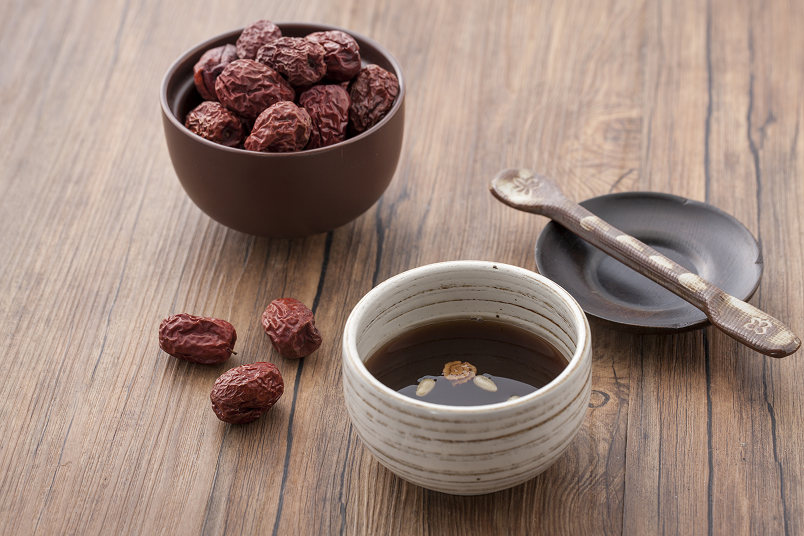
Daechucha (대추차) is prepared from jujubes, sometimes called red dates. Depending on how it is made, the drink can be a relatively light infusion or a richer cup containing softened fruit pulp.
Its appeal lies in the rounded sweetness of dried fruit. Ginger is also used in some preparations, creating daechu-saenggangcha, a jujube-and-ginger combination.
How to enjoy it: Check whether you have dried fruit, a concentrate, or an instant mix. Prepare it according to the product instructions, and taste before adding more sweetener.
TrendyPicker pairing: Choose a simply flavored rice cake. A modest accompaniment lets the tea’s fruit character remain the focus.
If a café offers a thick version, think of it as a drink to savor slowly rather than expecting the light texture of ordinary leaf tea.
3. Saenggangcha: For a Warming, Spicy Sip
©utoimage.c
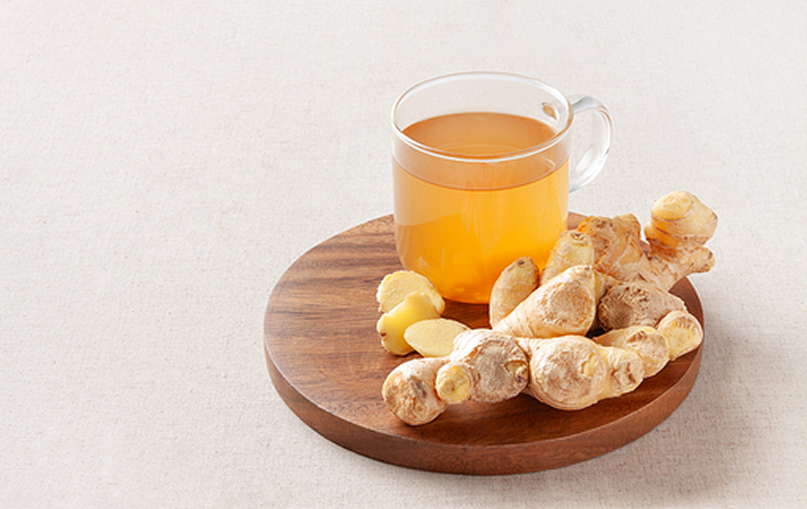
Saenggangcha (생강차) is ginger tea. It can be prepared from fresh ginger or a sweetened ginger mixture, with the intensity changing according to the recipe and concentration.
Expect a fragrant, peppery warmth. Sweetened versions soften ginger’s sharpness, but the flavor can still be lively.
How to enjoy it: If ginger is new to you, start with a milder cup. With a concentrate, use the label’s directions as your starting point and dilute further if needed.
TrendyPicker pairing: Try a slice of cream cheese and walnut dried persimmon roll. The fruit’s sweetness and the creamy filling provide an appealing contrast to ginger’s bite.
This is a good choice when you want a drink with a clear, distinctive flavor.
4. Boricha: For Toasty, Unsweetened Flavor
©SHUTTERSTOCK
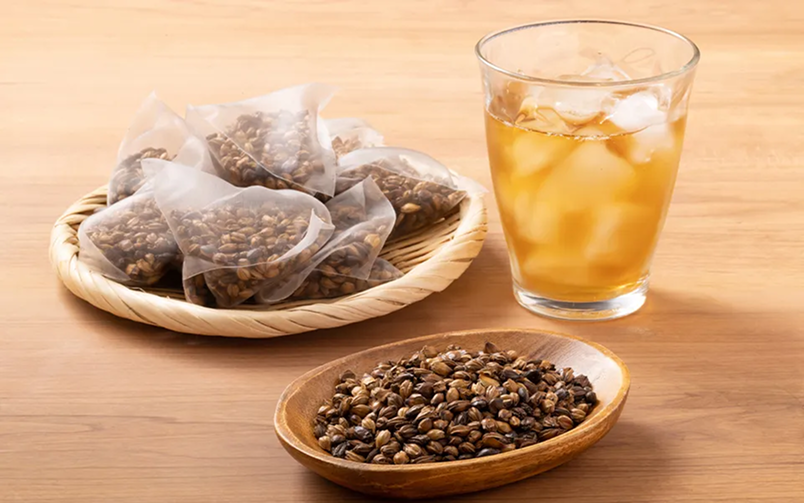
Boricha (보리차) is made from roasted barley. It has a grain-like, toasted aroma and is commonly enjoyed without sugar, either warm or chilled. Pure barley tea is naturally caffeine-free.
How to enjoy it: Follow the package directions for your roasted grains or tea bags. Check the water quantity carefully: a bag intended for a large pitcher may be much too strong for one mug.
TrendyPicker pairing: Serve it with yakgwa. An unsweetened drink gives the syrup-rich confection room to shine without adding another layer of sweetness.
Boricha is worth trying if you prefer a drink that can sit quietly beside food. Its roasted character offers a different starting point from fruit-based teas.
5. Nokcha: For the Aroma of Tea Leaves
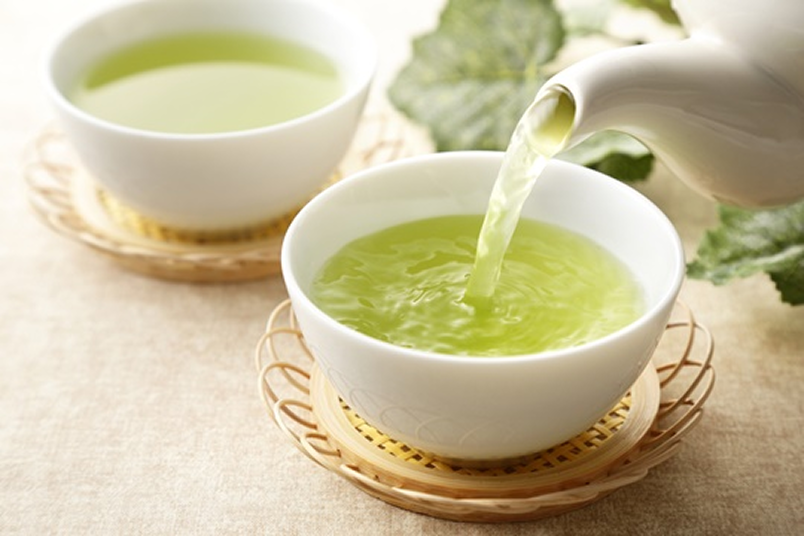
©mediadale
Nokcha (녹차) means green tea. Korean green teas vary with their growing region and processing, offering flavors that may feel fresh, grassy, savory, or gently nutty. Hadong, Boseong, and Jeju are among Korea’s tea-growing regions.
How to enjoy it: Follow the maker’s recommended water temperature and steeping time. If your first cup tastes too bitter, try a shorter infusion or slightly cooler water next time.
TrendyPicker pairing: Start with walnut-filled dried persimmon or a small piece of yakgwa. Taste the tea before and after the dessert to notice the difference.
Green tea naturally contains caffeine. Fruit, ginger, jujube, and barley drinks made without tea leaves or other caffeinated additions are generally caffeine-free, but blended products should be checked individually.
Buying Korean Tea for the First Time
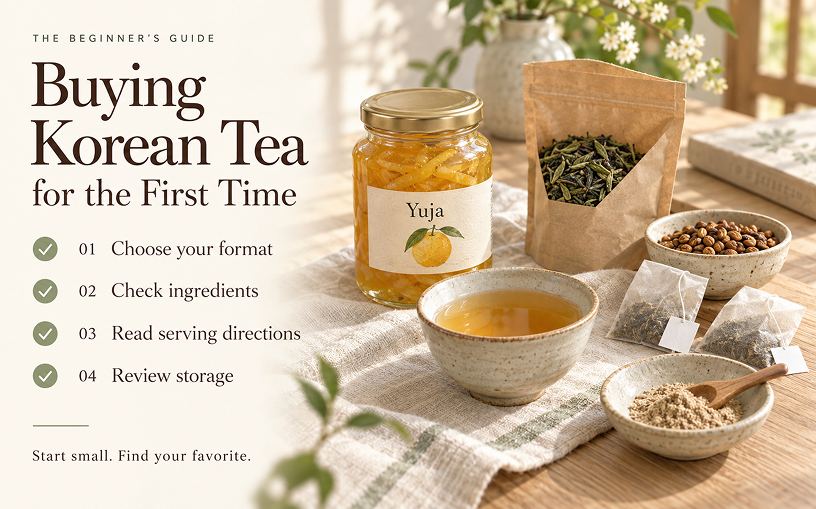
For readers shopping in the United States, saving the Korean names can make labels easier to recognize. Before choosing a product, check:
The format: leaves, grains, tea bags, preserve, or powder.
The ingredients: especially added sugar and any blended tea leaves.
The serving directions: cup-sized and pitcher-sized products differ.
The storage instructions: particularly for opened jars of preserves.
Start with a small quantity while discovering your preferences. A sweet café drink and an unsweetened tea bag with a similar name may produce very different cups.
 Free Shipping Over
 Ships From Korea


 전체 카테고리
 Trending Searches 🔥


 ARAB EMIRATES
 AUSTRALIA
 BELGIUM
 BRAZIL
 CANADA
 DENMARK
 FINLAND
 FRANCE
 GERMANY
 GREECE
 HONG KONG
 IRELAND
 ITALY
 JAPAN
 MACAO
 MALAYSIA
 MEXICO
 MONACO
 NETHERLANDS
 NEW ZEALAND
 NORWAY
 PHILIPPINES
 QATAR
 RUSSIAN
 SAUDI ARABIA
 SINGAPORE
 SWEDEN
 SWITZERLAND
 TAIWAN
 THAILAND
 UNITED KINGDOM
 VIET NAM


