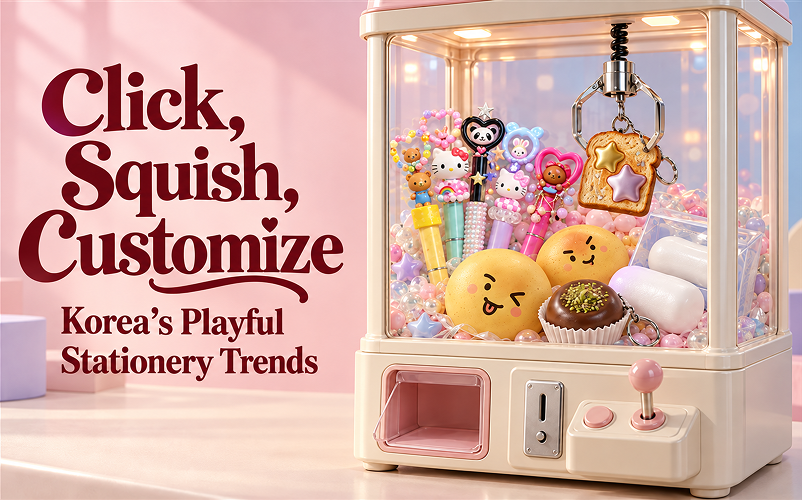
A pen stacked with colorful beads. A tiny keyboard hanging from a bag. A miniature bun that exists purely to be squeezed.
These objects capture a playful side of Korean stationery trends in 2026. Alongside notebooks and writing tools, shoppers are exploring things they can decorate, press, and knead. Four names help explain the scene: bolkku, keycap keychains, mallangi, and seullangi.
Some start with an everyday object and make it personal. Others invite you to pick them up just to see how they feel. Together, they offer a small, colorful invitation to play.
Bolkku: Give Your Everyday Pen a Makeover
© Maeil Business Newspaper
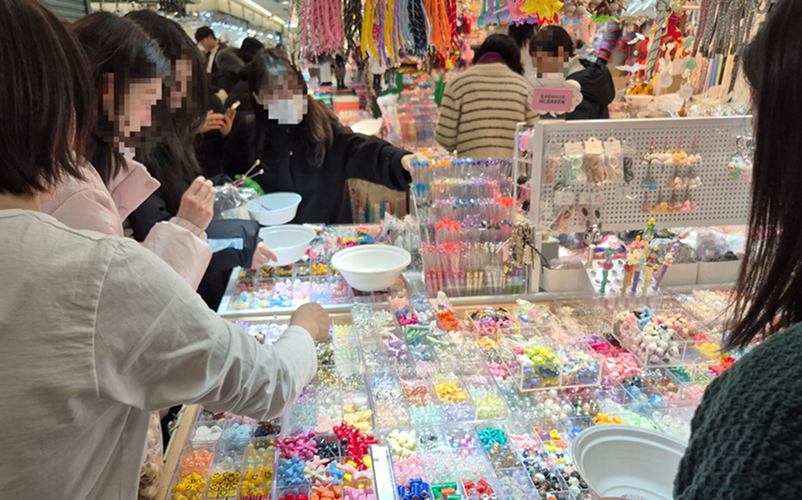
Bolkku is short for bolpen kkumigi, or “decorating a ballpoint pen.” Think of choosing a pen body, then building a combination of beads and decorative parts around your own taste.
Pearls, hearts, bows, candy shapes: the choices can turn the same basic pen into very different objects. One person might choose a tidy combination of white and silver. Another might build a tower of pink, translucent beads.
An August 15, 2026, hands-on report from Edaily explored Daiso’s DIY pen-decorating products, showing how the activity had reached an accessible retail format. Earlier coverage also highlighted shoppers choosing their own pen parts in Dongdaemun.
The fun begins before the finished pen exists. You compare colors, change the order, remove a bead, and try another. Even a small decision—one oversized heart or several tiny pearls—changes the result.
For a first attempt, choose a compatible pen-decorating kit and a simple color palette. Then check how the finished pen feels in your hand. You’ll want to enjoy writing with it as much as looking at it.
Keycap Keychains: A Tiny Keyboard You Can Carry
© Naver Blog @13jj07
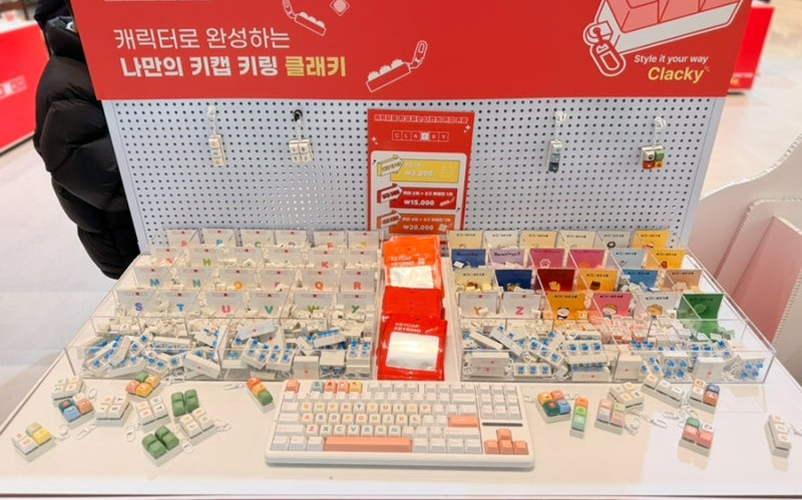
Here, “keycap” refers to the pressable keychain version: a small accessory with keyboard-style keys that click when pushed.
It combines the look of a bag charm with the action of a little handheld toy. The repeated press and release is part of the attraction, along with the design you choose.
The trend has appeared beyond stationery shops. In a July 1, 2026, announcement, Yangju Deokhyeon Elementary School described using popular keycap keychains in a school activity held during June. Students attached letters and worked together to complete a message. It is one concrete example of the format becoming familiar in everyday Korean life.
When choosing one, listen as well as look. The sound is part of the experience—and something to consider if you plan to use it at a shared desk.
Mallangi: The Little Object You Keep Squeezing
© Sweetspot @야근중
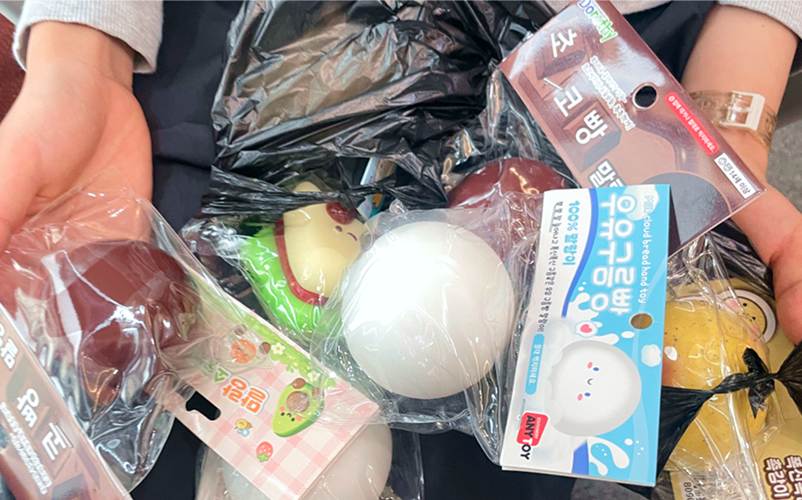
Mallangi is a Korean name used for soft, squeezable toys. If you know squishies, the basic appeal will feel familiar: pick one up, press it, and explore its texture.
The shapes add another layer of enjoyment. A current Korean retailer’s selection includes dumpling and milk-bread designs, turning familiar foods into small objects for play.
There is also evidence of interest beyond product listings. A July 25, 2026, report from Seoul’s Changsin-dong stationery and toy market described young adult shoppers visiting for these tactile toys.
For a magazine reader encountering mallangi for the first time, the most interesting question may be wonderfully simple: how does that tiny bun feel when you squeeze it?
Seullangi: Look Beyond the Cute Shape
© Marpple
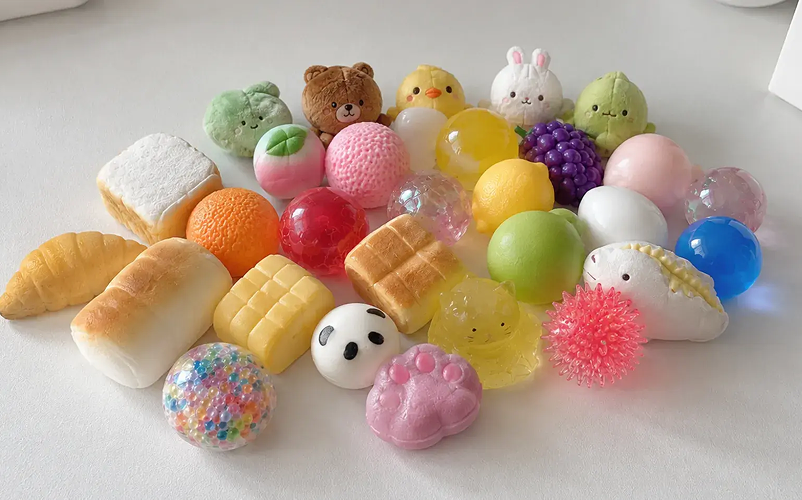
You may also encounter seullangi, often written as “slangyi” in English searches. Korean sellers use the name alongside mallangi, squishies, and slime-related products, including items described as “crunch” varieties.
The names can overlap, so treat the label as a starting point. Check the individual product’s material, handling instructions, and demonstration.
Does it compress and spring back? Does its texture shift as you press it? Is sound part of the experience? Those details tell you more than the shape alone.
A photograph introduces the character. A short demonstration helps explain what your hands will actually do.
Wakppubol: The Crack Is the Point
© Dederit
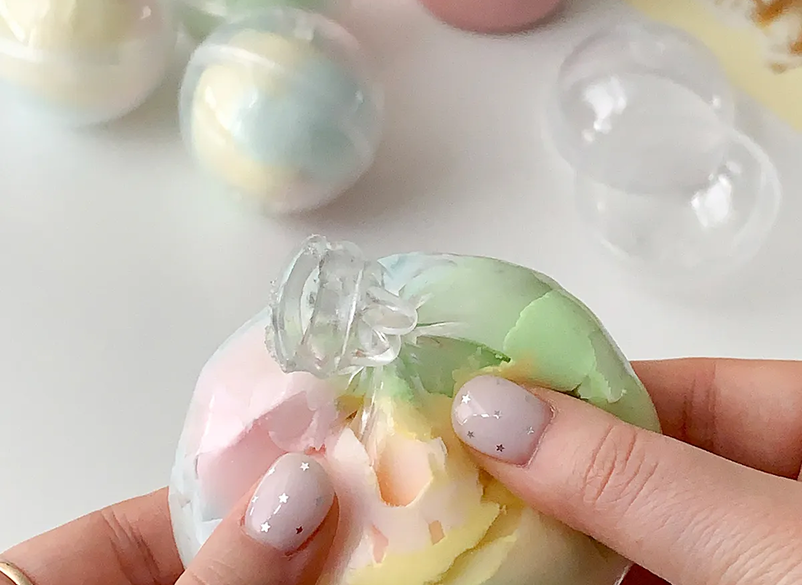
Wakppubol adds a different sensation to the mix. A common version consists of a clay ball covered in a thin layer of wax. Press it, and the outer coating cracks, creating the texture and sound that define the experience.
A July 6, 2026, Newsis report described wakppubol as part of the growing interest in tactile toys in Korea, alongside rising sales of materials for making them.
The interesting moment is the change: a smooth shell gives way under your fingers. For readers familiar with squishies, that breakable surface introduces something different to explore.
Before choosing one, watch a demonstration of the exact product. Check whether it comes enclosed or exposed and how it should be handled afterward. Once the wax coating breaks, the original surface has changed, so don’t expect every squeeze to repeat that first crack.
What Connects These Korean Stationery Trends?
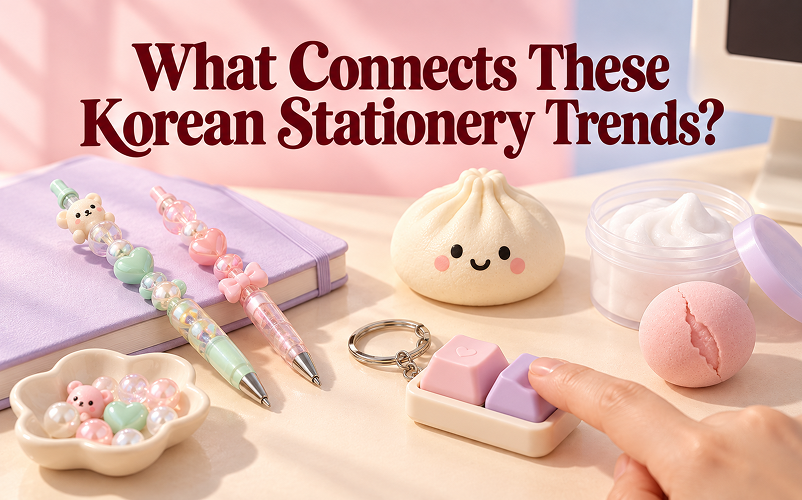
One way to understand the appeal is through participation. Bolkku lets you arrange the parts. A keycap responds with a click. Mallangi and seullangi invite you to explore texture. Wakppubol adds the anticipation of a shell about to crack.
You can bring that playful approach to your own desk without creating an entire collection. Start with the action you enjoy: assembling colors, pressing a key, squeezing something soft, or exploring a changing texture.
Perhaps it’s a pen you customized to match your notebook. Perhaps it’s a tiny dumpling beside your monitor.
Either way, it gives your hands something to do—and your desk a little more personality.
 Free Shipping Over
 Ships From Korea


 전체 카테고리
 Trending Searches 🔥


 ARAB EMIRATES
 AUSTRALIA
 BELGIUM
 BRAZIL
 CANADA
 DENMARK
 FINLAND
 FRANCE
 GERMANY
 GREECE
 HONG KONG
 IRELAND
 ITALY
 JAPAN
 MACAO
 MALAYSIA
 MEXICO
 MONACO
 NETHERLANDS
 NEW ZEALAND
 NORWAY
 PHILIPPINES
 QATAR
 RUSSIAN
 SAUDI ARABIA
 SINGAPORE
 SWEDEN
 SWITZERLAND
 TAIWAN
 THAILAND
 UNITED KINGDOM
 VIET NAM


