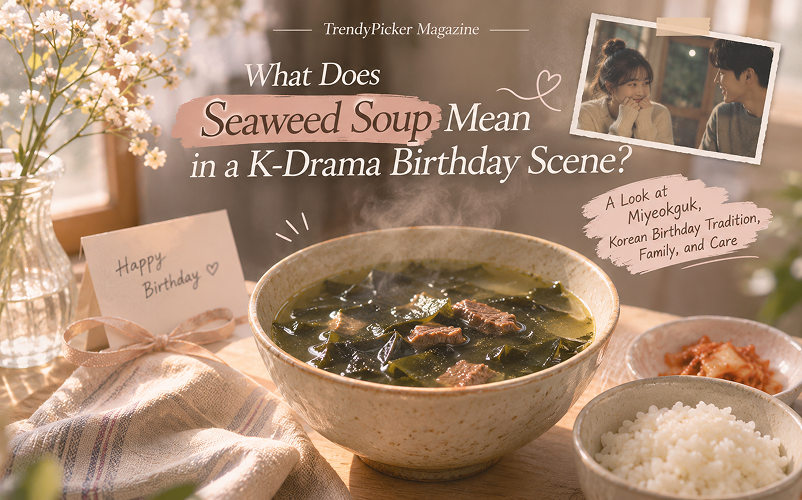
A birthday scene begins with a bowl of soup. No candles, no cake—just someone placing a warm meal on the table. If you have wondered what seaweed soup means in a K-drama birthday scene, look at who made it and who is there to share it. The dish is miyeokguk, a Korean birthday tradition tied to birth, family, and care. Once you know its meaning, a quiet breakfast can tell you as much about a relationship as a long conversation.
Why Do Koreans Eat Seaweed Soup on Birthdays?
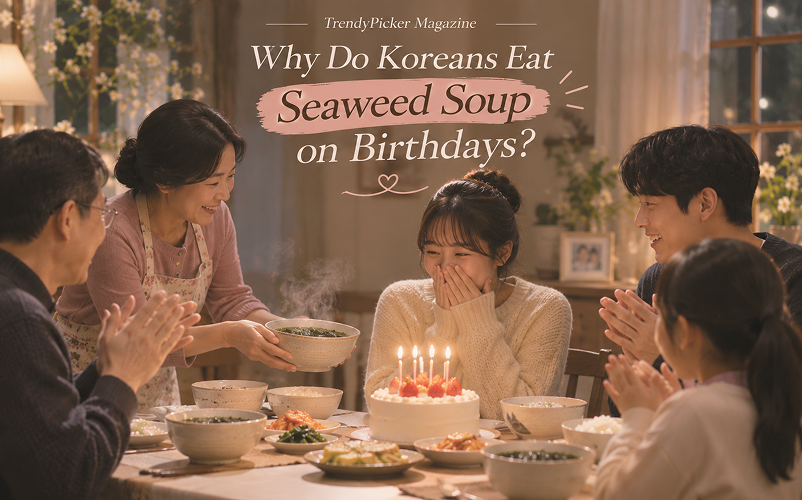
Miyeokguk is made with miyeok, a soft seaweed simmered in broth. It is traditionally served to mothers after childbirth and eaten on birthdays. That connection turns an ordinary meal into a reminder of the day someone was born—and of the person who gave birth to them. Korea.net’s guide to miyeokguk describes both customs and the gratitude associated with a birthday bowl.
This does not mean every family prepares it in exactly the same way. Some people wake up to soup made by a parent; others cook their own or share it with someone close to them. What matters in a drama is the choice to make time for that person’s birthday. A character may say very little while ladling soup, yet the gesture can feel unmistakably affectionate.
What Does the Soup Tell Us in a K-Drama Scene?

First, notice who cooks it. A parent preparing breakfast can make a birthday feel familiar and secure. A friend or romantic partner doing the same thing may be stepping into a more intimate role. If the birthday character cooks alone, the meal can draw attention to an empty seat at the table.
Then notice how the character responds. Do they sit down immediately? Are they surprised that someone remembered? Does the meal make an awkward conversation easier to begin? The soup does not have one fixed meaning in every story. Its established place in Korean birthday culture gives the scene a starting point; the characters’ actions supply the rest.
The Korea Tourism Organization identifies Our Blues and Guardian: The Lonely and Great God as dramas in which miyeokguk appears. It describes the different feelings a birthday bowl can convey when someone prepares it alone or receives it from another person. That is why the detail is easy to miss but worth watching closely.
What Is in Miyeokguk?
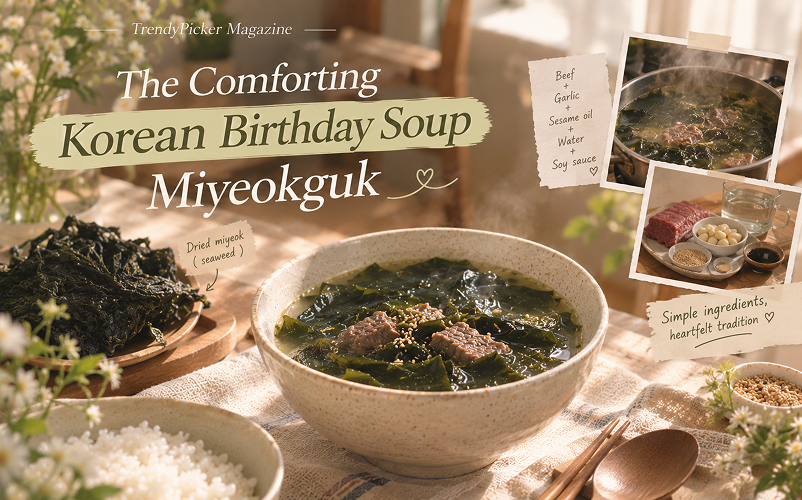
The soup is comforting home food rather than an elaborate birthday centerpiece. In a common beef version, dried miyeok is soaked until it softens, then cooked with beef, garlic, sesame oil, water, and soy sauce. Families may use seafood or make other variations. The finished soup is savory and gentle, usually served with rice.
If you want to try making it, start with Korea.net’s miyeokguk recipe. Buy dried miyeok intended for soup and follow the package directions for soaking; it expands considerably in water. Roasted seaweed snack sheets are a different product and will not give you the same bowl you see on screen.
How to Read the Next Birthday Scene

The next time a K-drama character eats seaweed soup, ask three questions:
Who remembered the birthday? Making the soup takes more thought than offering a quick greeting.
Who shares the table? A familiar dish can feel lonely or welcoming depending on the company.
What changes after the meal? A small act of care may open the way to a conversation the characters have been avoiding.
A cake makes the celebration obvious. Miyeokguk lets a drama tell a quieter story. It remembers a birth, but it also shows who is willing to show up for the person celebrating it. The bowl may be simple; the relationship around it rarely is.
 Free Shipping Over
 Ships From Korea


 전체 카테고리
 Trending Searches 🔥


 ARAB EMIRATES
 AUSTRALIA
 BELGIUM
 BRAZIL
 CANADA
 DENMARK
 FINLAND
 FRANCE
 GERMANY
 GREECE
 HONG KONG
 IRELAND
 ITALY
 JAPAN
 MACAO
 MALAYSIA
 MEXICO
 MONACO
 NETHERLANDS
 NEW ZEALAND
 NORWAY
 PHILIPPINES
 QATAR
 RUSSIAN
 SAUDI ARABIA
 SINGAPORE
 SWEDEN
 SWITZERLAND
 TAIWAN
 THAILAND
 UNITED KINGDOM
 VIET NAM


