
Traditional Korean sweets are generally
called Hangwa. Hangwa refers to traditional Korean type of cookies made by
sweetening grain flour, fruits, and edible roots or leaves with honey, syrup,
and sugar, typically enjoyed as a dessert.
In ancient Korea, ingredients like rice and
sugar were expensive, making Hangwa a luxury food primarily enjoyed by the
upper classes. Over time, it became an essential part of ceremonies, such as
rituals, weddings, and banquets. Starting from the Silla period, hangwa was
used as a Buddhist offering. And during the Joseon Dynasty, it became a necessary
food offering for rites of passage and ceremonial feasts, highly esteemed by
the royal family and nobility.
Today, however, hangwa is rarely enjoyed in
everyday life. Similar to other countries, traditional sweets have evolved into
modern commercialized ones. However, you can still buy old style sweets at the
markets in Korea. So, if you have a chance, we definitely recommend you to try
some of them and experience the traditional subtle sweetness of Korean cuisine.
Yugwa
© KoreaTravelPost
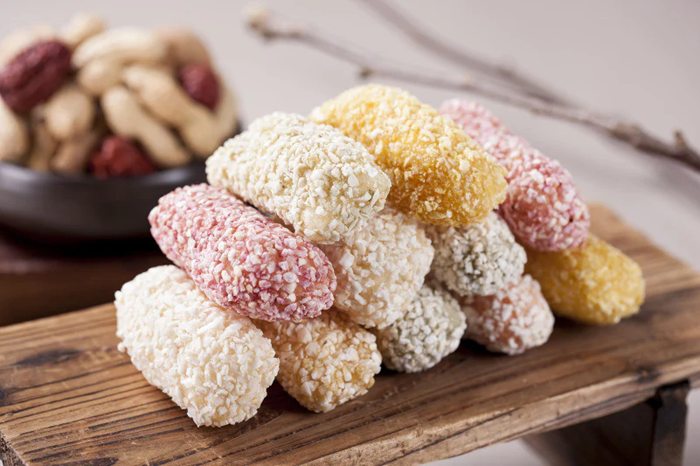
Yugwa is one of the types of traditional
Korean hangwa sweets. It is made by shaping glutinous rice flour into small
pieces, drying them, and then frying them in vegetable oil. After frying, they
are coated with honey or syrup and sprinkled with puffed rice or sesame seeds.
Originally, yugwa was made using a wheat dough
and honey and was shaped as a fruit to replace real fruits in rituals. At that
time, it was referred to as "fake fruit". Over time, the shape of
yugwa gradually diversified. Since the Goryeo Dynasty, yugwa has been widely
spread under the influence of Buddhism.
Yakgwa
© KoreaTravelPost
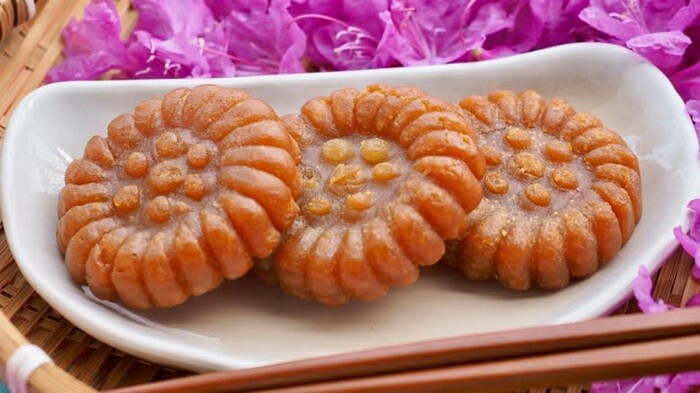
Yakgwa, a type of yumilgwa, is made by kneading flour with honey and sesame
oil, shaping it with a yakgwa mold, and then frying it in oil. It is then
dipped in syrup or honey, and once hardened, it can be enjoyed with a sweet and
savory flavor.
Yakgwa has a long history, dating back to
the Unified Silla period when it was used as an offering in Buddhist rituals.
The intricate flower-shaped yakgwa made with a mold is called "Gungjung yakgwa",
while the square-shaped yakgwa, made into bite-sized pieces, is called
"Gaeseong yakgwa”. Out of all the different types of hangwa sweets, yakgwa
remains probably the most popular these days. You can buy the modernized
version of yakgwa cookie at every convenience store.
Dasik
© Instagram @seoyeonga.korean.dessert
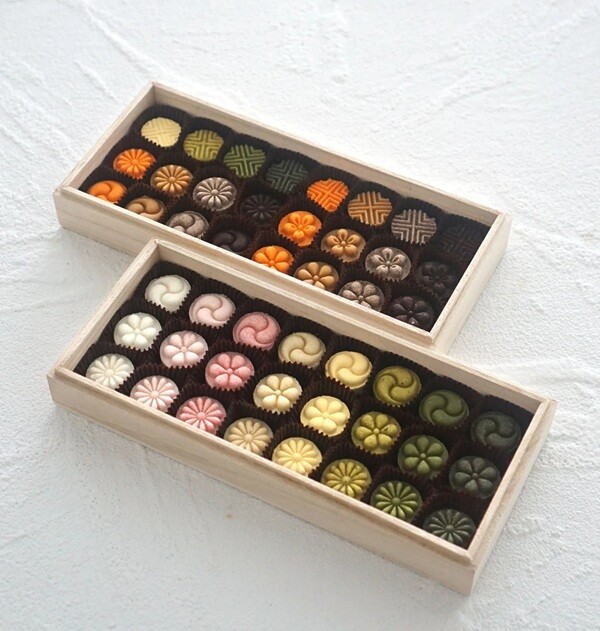
Dasik is another type of traditional Hangwa. The typical ingredients for dasik
are rice flour, pine pollen, black sesame, chestnut, soybean and so on. Dasik
is made by finely grinding the ingredients, mixing them with honey or syrup,
and then pressing the dough into a dasik mold. The mold has beautiful patterns
like letters, geometric designs, or flowers on the surface. Dasik is also
usually made in different colors: green, yellow, pink and so on.
Dasik was an essential part of the table
during Joseon Dynasty ceremonies, weddings, and major holiday feasts. It was
also used as a remedy — black sesame seed dasik was used for food poisoning,
acorn dasik for coughing, and mountain yam dasik was given to elderly parents
to help strengthen weak health, earning it the nickname "filial
dasik." When placed in the mouth, dasik gently melts with sweetness and
enhances the flavor of tea, making it a popular treat for tea tables or as a
dessert.
Gangjeong
© Adobe Stock
The origin of Gangjeong can be traced back to the Han Dynasty's dish called
Han-gu. In ancient China, it was a custom to eat Han-gu before breakfast to
stimulate the appetite, and it is believed that this tradition spread widely
during the Goryeo Dynasty.
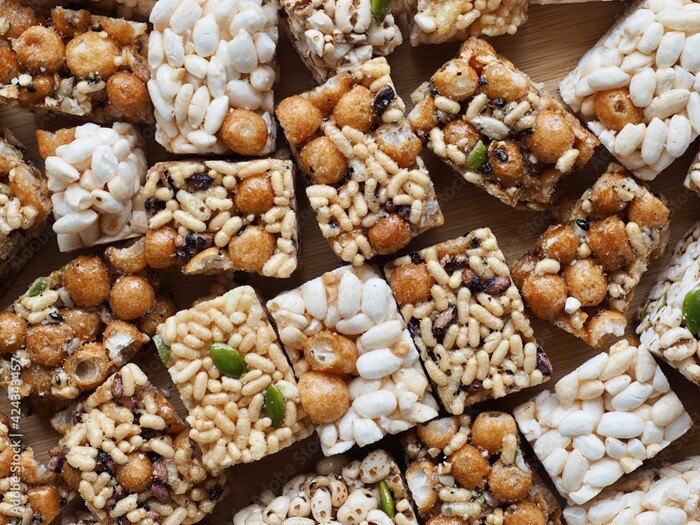
Making Gangjeong is a meticulous process.
Fine glutinous rice flour is mixed with alcohol and honey, then steamed. After
steaming, a bit more honey is added, and the dough is cut into pieces
approximately 0.5 cm thick, 3 cm long, and 0.5 cm wide before being air-dried.
The pieces are then soaked in alcohol overnight, dried slightly, deep-fried in
oil, and coated with syrup or honey. Finally, they are rolled in beans or
sesame seeds and dried. Gangjeong should be puffed up with a hollow center and
fried crisp outer part.
Gangjeong’s coloring is traditionally made
with natural herbal ingredients, such as the pink color from rice bran, yellow
from pine powder, or brown from cinnamon powder. That is why, it is not only
nutritious but also a health food, that preserves unique flavors.
Jeonggwa
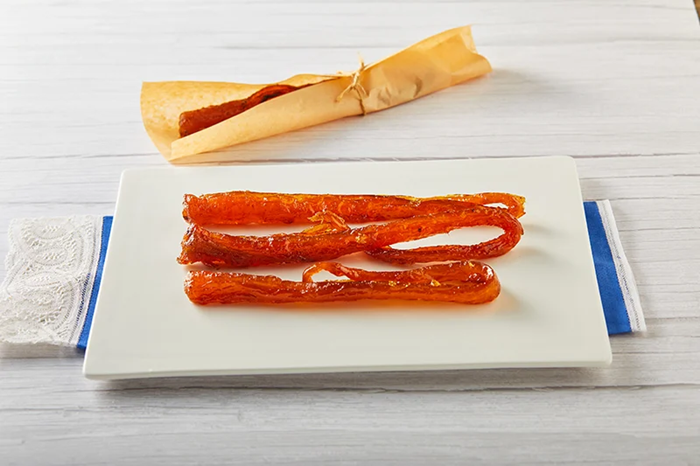
© VisitKorea
Jeonggwa is a type of traditional Korean
sweet made by simmering fruits, lotus roots, ginger, bellflower root, or
medicinal herbs like licorice in sugar, and then coating them with more sugar
to complete the process. Because sugar was not locally produced in Korea,
Jeonggwa was considered one of the rarest and most precious of all Korean
traditional sweets. Among the various types, ginseng Jeonggwa, made with
pickled ginseng, was especially prized.
Ginseng, which was a significant export
during the Joseon Dynasty, held immense value — comparable to the importance of
semiconductors today. It was so valuable that even independence movements or
bandits in the Joseon period used ginseng sales as a way to fund their
activities. Ginseng was one of the most profitable commodities, and making
Jeonggwa with it was a luxury reserved exclusively for the royal family, as
common people could never afford such a treat.
Suksilgwa
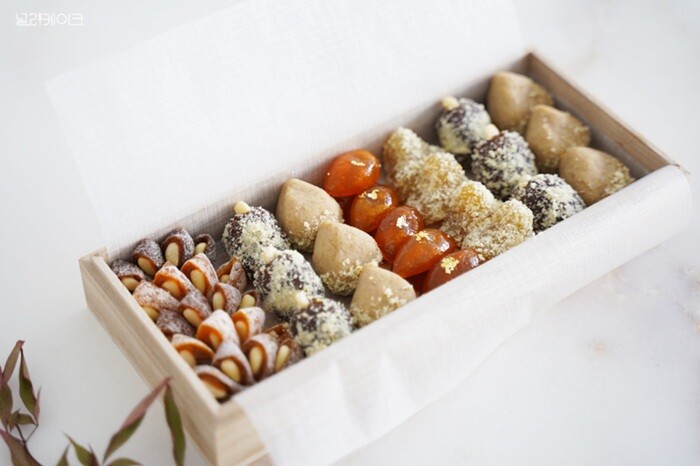
© 1ucy Navel Blog
Suksilgwa refers to a type of traditional
Korean sweet made by simmering chestnuts or various fruits with syrup or honey
over low heat, and then reshaping the fruit to its original form. When fruits
are simmered in honey or sugar without being altered, it is called cho, while
when the fruit pulp is mashed or crushed, it is referred to as ran.
Famous examples of Suksilgwa include
yullan, more known as chestnut cookies, which are made by simmering chestnuts
with honey, and daechucho, which involves simmering jujubes in honey or sugar
until they harden into a candy-like texture.
Even though there are many modern sweets
available today, traditional Korean sweets remain a cherished part of
contemporary life. These treats, such as hangwa and yakgwa, carry deep cultural
significance and are often enjoyed during special occasions like holidays and
ceremonies. In today’s world, they are not only a nostalgic reminder of Korea’s
rich heritage but also a perfect gift for meaningful occasions. With their
natural ingredients and cultural importance, these sweets offer a thoughtful
and meaningful way to celebrate and connect with tradition.
If you got interested in any of these traditional Korean sweets, you should definitely try them for yourself. Make sure to check these items and make up your own opinion about Korean Hangwa!
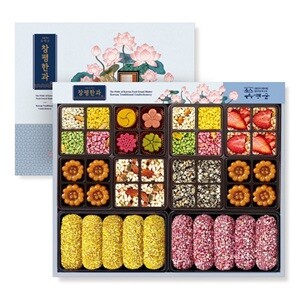
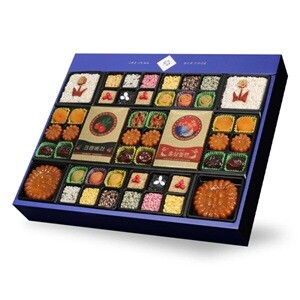
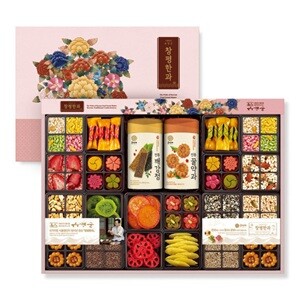
© GMarket Changpyeong Hangwa Set No.2 © GMarket Hansuwi Soodam Hangwa © GMarket Changpyeong Hangwa Set No.1
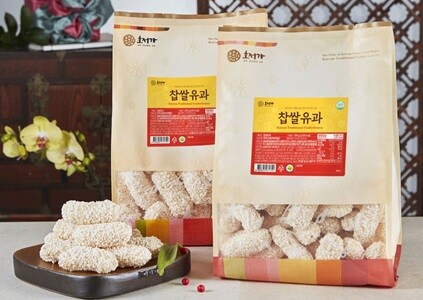
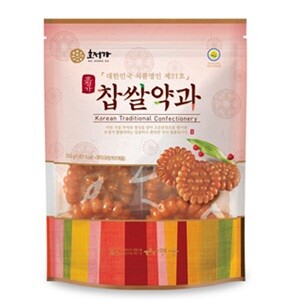
© GMarket Hojeongga Glutinous Rice Yugwa © GMarket Hojeongga Glutinous Rice Yakgwa
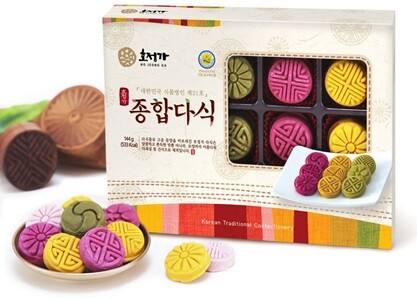
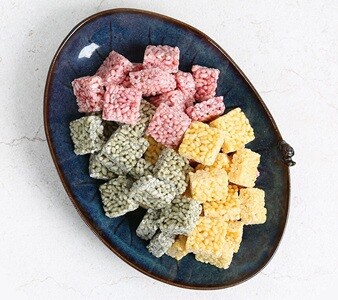
© GMarket Hojeongga Dasik (Tea Confectionery) © GMarket Ssal Gangjeong (Sweet Rice Puffs) Gift Set
 Free Shipping Over
 Ships From Korea


 전체 카테고리
 Trending Searches 🔥


 ARAB EMIRATES
 AUSTRALIA
 BELGIUM
 BRAZIL
 CANADA
 DENMARK
 FINLAND
 FRANCE
 GERMANY
 GREECE
 HONG KONG
 IRELAND
 ITALY
 JAPAN
 MACAO
 MALAYSIA
 MEXICO
 MONACO
 NETHERLANDS
 NEW ZEALAND
 NORWAY
 PHILIPPINES
 QATAR
 RUSSIAN
 SAUDI ARABIA
 SINGAPORE
 SWEDEN
 SWITZERLAND
 TAIWAN
 THAILAND
 UNITED KINGDOM
 VIET NAM


