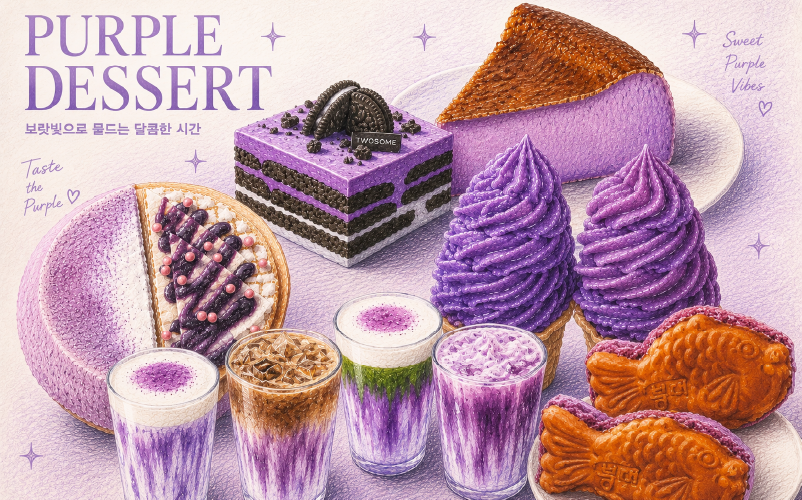
For the past several months, matcha dominated Korean cafe culture. From lattes and cakes to ice cream and cookies, the deep green aesthetic became synonymous with wellness, minimalism, and “Instagrammable” desserts.
But in 2026, a new color is beginning to take over Korean cafes: purple.
The ingredient driving the shift is ube—a purple yam traditionally used in Filipino desserts that is now rapidly expanding across Korean cafe menus, bakery chains, and social media feeds.
What Is Ube?
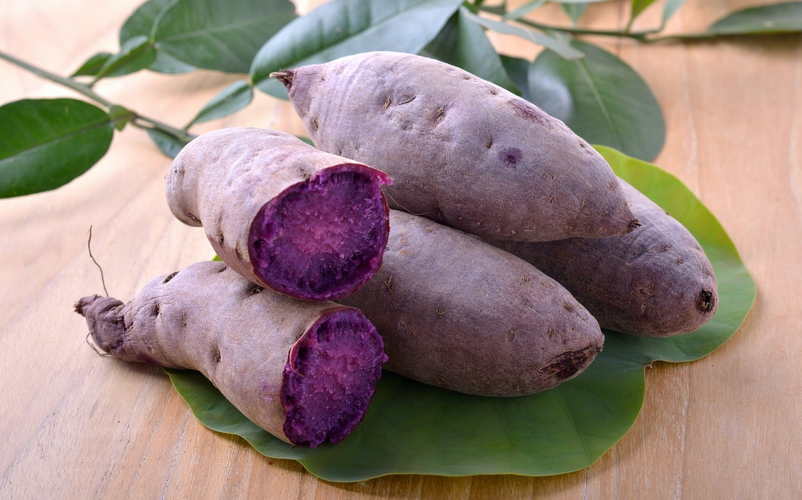
© onegreenplanet
Ube is a vibrant purple yam most closely associated with Filipino cuisine and desserts. It has a mildly sweet, nutty, vanilla-like flavor and a naturally vivid purple color that makes it instantly recognizable in drinks and pastries.
Traditionally, ube has long been used in:
-
Halo-halo
-
Ube halaya
-
Cakes and breads
-
Ice cream and pastries
But outside the Philippines, ube is now entering a completely different phase—becoming a global cafe trend.
From Matcha Green to Ube Purple
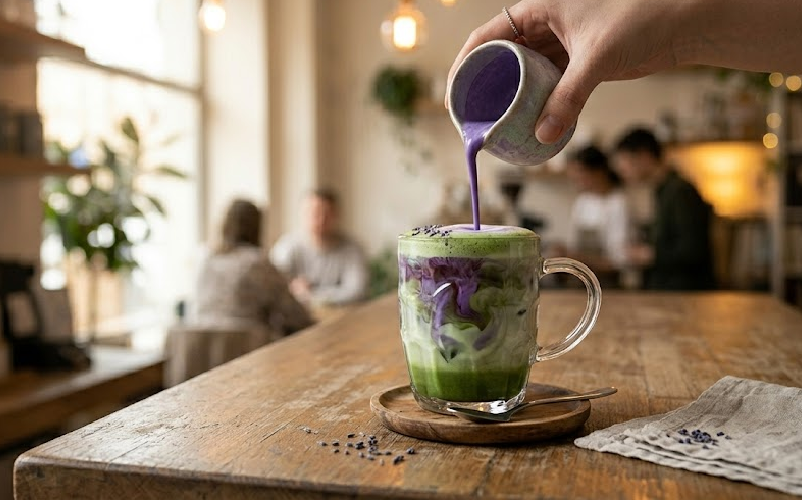
One reason ube is spreading so quickly in Korea is visual culture.
Matcha worked because it was instantly recognizable on camera. Ube functions the same way—but in purple. In today’s cafe ecosystem, products are designed not only to taste good, but to perform well on TikTok, Instagram Reels, and short-form content.
The shift from green to purple reflects a broader pattern in Korean food trends:
-
Matcha → wellness minimalism
-
Ube → playful, color-driven indulgence
Unlike matcha’s earthy bitterness, ube offers a softer, sweeter flavor profile that feels approachable to a wider audience.
Korea’s Cafe Industry Moves Fast
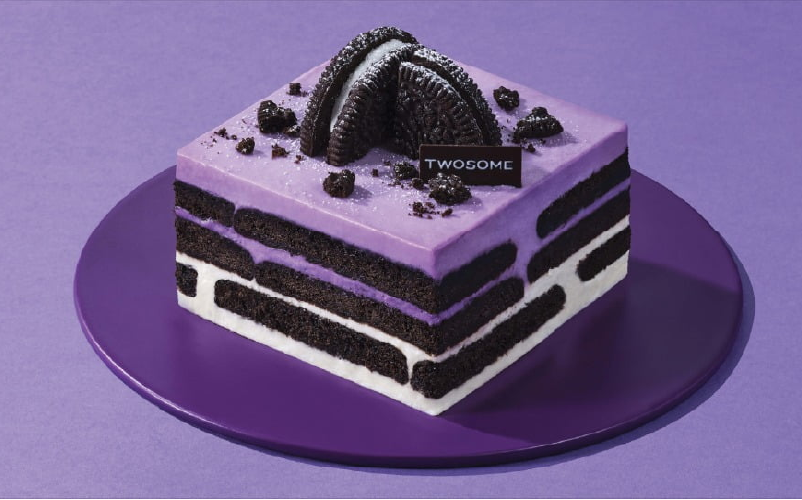
© twosomeplace
What makes the ube trend especially interesting is how quickly Korean cafes have adopted it.
Major chains including A Twosome Place, Knotted, Starbucks Korea, and Paul Bassett have already launched seasonal ube drinks and desserts.
Popular products now include:
-
Ube lattes
-
Ube cream donuts
-
Ube Basque cheesecake
-
Ube shakes
-
Ube matcha drinks
This rapid rollout reflects how Korean cafe culture operates in 2026:
fast, visual, seasonal, and highly trend-responsive.
Why Ube Works So Well Online
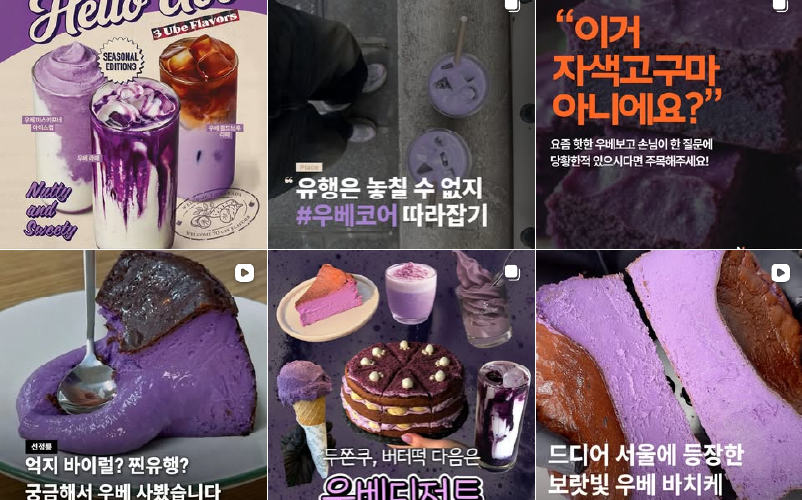
© instagram
Ube checks almost every box required for a modern viral food trend.
It is:
-
Visually striking
-
Naturally colorful
-
Easy to adapt across desserts and drinks
-
Distinct enough to feel “new” in Korea
In many ways, ube succeeds for the same reason Dubai chocolate, Butter Tteok and matcha succeeded before it—it photographs instantly.
The color itself matters. Purple desserts create immediate visual contrast in feeds dominated by beige pastries and green matcha drinks.
More Than a Trendy Color
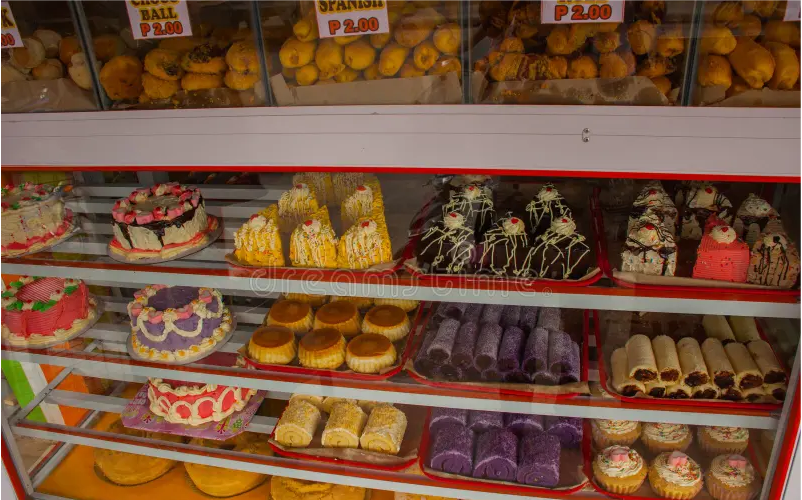
© dreamstime
Despite its current viral status, ube also carries cultural significance.
Many Filipino communities have pointed out that ube is not simply a trend ingredient, but part of a long culinary tradition. As global demand rises, conversations around authenticity and cultural recognition are growing alongside the trend itself.
That tension reflects a larger shift happening across global food culture:
Asian ingredients are increasingly influencing one another directly, without always passing through Western food trends first.
Is Ube Really the “Next Matcha”?
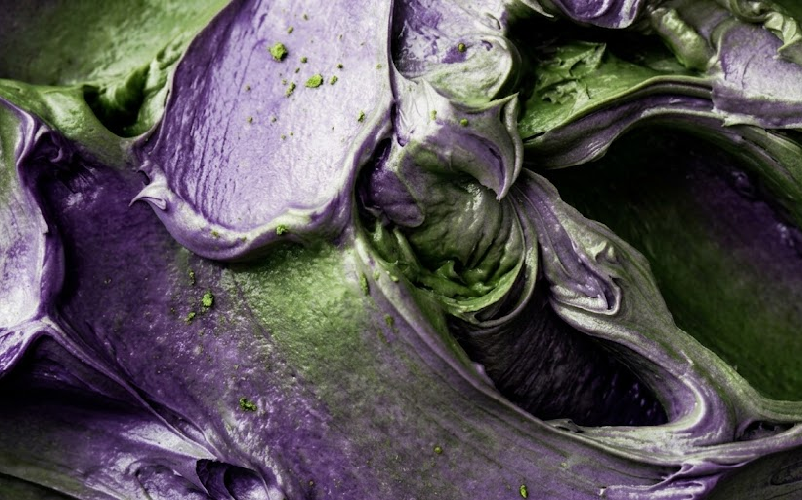
The comparison is everywhere—but the answer is more complicated.
Matcha became a long-term category because it connected with wellness culture, premium cafe branding, and everyday consumption habits. Ube, at least for now, feels more seasonal and novelty-driven.
Still, its rise says something important about where Korean cafe culture is heading. Consumers increasingly want flavors that are:
-
Visually recognizable
-
Social-media friendly
-
Globally influenced
-
Flexible across formats
Ube fits perfectly into that system.
Final Take
“Matcha defined the last era of cafe aesthetics. Ube may define the next visual wave.”
In Korea’s rapidly evolving dessert scene, trends no longer spread over years—they spread over weeks. And right now, purple is everywhere.


 전체 카테고리


 The WONDERfools: Netflix’s Retro Korean Superhero Drama
  2026-05-21 02:14
 Korean Pancakes Everyone Should Try: TasteAtlas Picks
2026-05-13 23:30
Korean Pancakes Everyone Should Try: TasteAtlas Picks
2026-05-13 23:30


